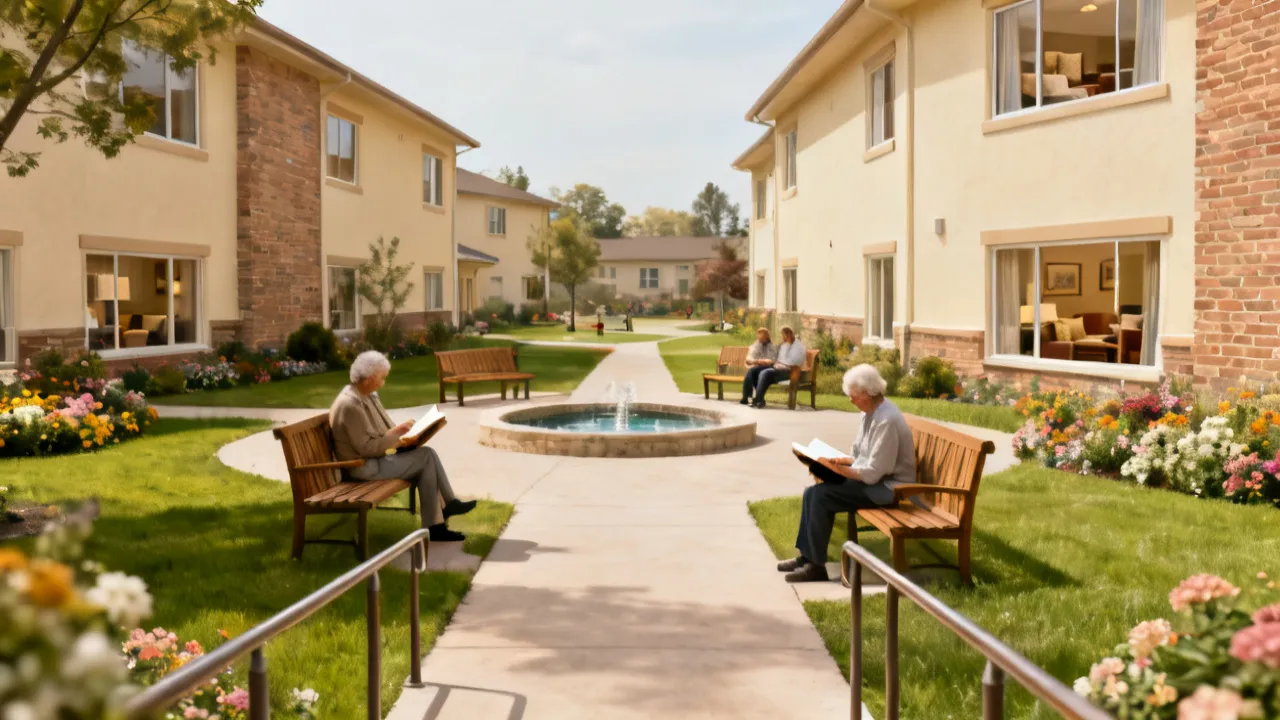
Discovering Affordable Senior Living Options
This guide delves into finding affordable senior living options in English-speaking countries, highlighting platforms like 55places.com. As baby boomers age, there is a growing demand for senior housing, making it crucial to explore available resources and strategies for identifying economical living arrangements for those over 55.
Introduction to Senior Living Options
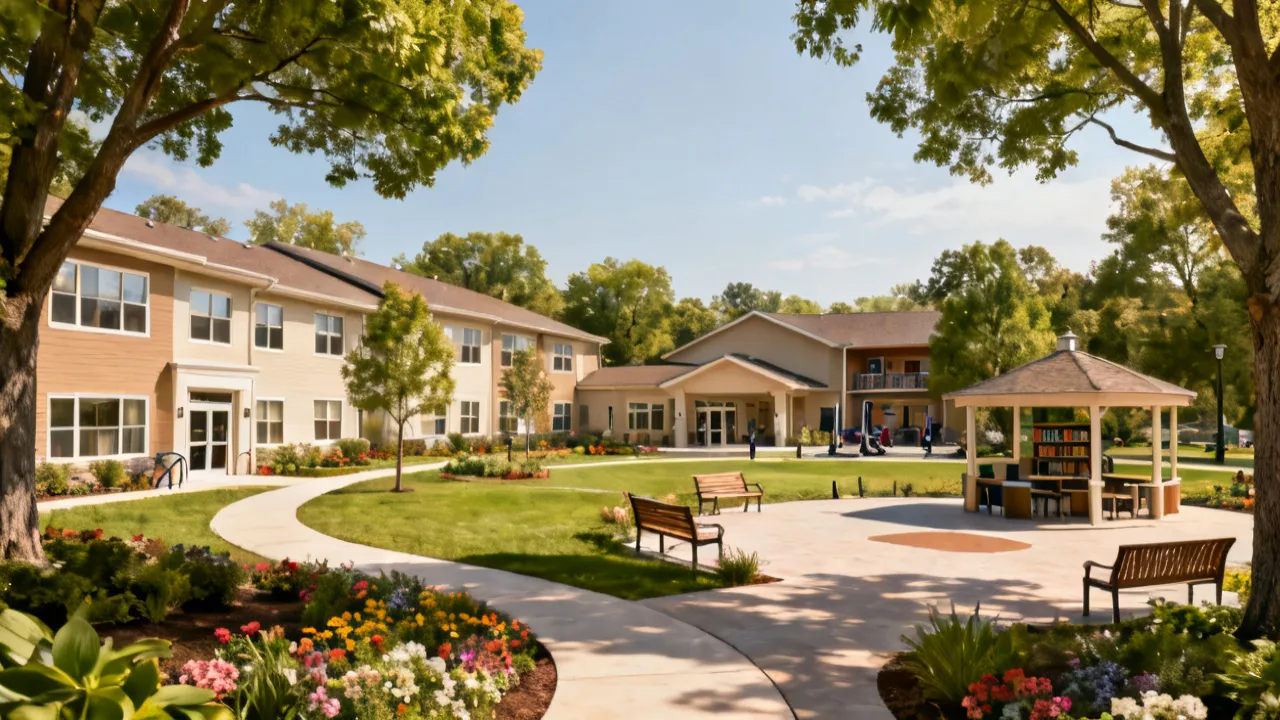
As more individuals in English-speaking countries approach retirement, the demand for affordable senior living options continues to rise. The variety of senior living solutions available caters to diverse needs, offering environments designed to support independence or provide comprehensive care. This article explores the platforms and resources available for discovering cost-effective senior living solutions, emphasizing the utility of sites like 55places.com.
With a rapidly aging population, the shift towards prioritizing suitable housing for seniors is both essential and timely. Whether one is a retiree looking for a vibrant community or a family member seeking the best option for a loved one, understanding the landscape of senior living is paramount. The landscape is evolving, revealing an amalgam of choices that must be understood in the context of lifestyle preferences, care requirements, and financial considerations. This article will delve deeper into the nuances of senior living options, examining not just the types of housing available but also the considerations and resources that can aid in making informed decisions.
Key Resources for Senior Living
A vital resource for exploring senior living developments is 55places.com, an online platform dedicated to providing information on active adult communities in both English-speaking and other global regions. It serves as a comprehensive directory, helping potential residents compare locations based on lifestyle preferences, budget, and other criteria. With features such as neighborhood guides, community reviews, and detailed property listings, it equips users with the necessary tools to navigate through their options thoughtfully.
In addition to 55places.com, several other online platforms provide invaluable resources and services for seniors looking for affordable housing. These websites are tailored to cater to the unique needs of older adults and their families. Below is an expanded comparison table of some significant online platforms offering information on low-cost senior living options:
| Platform | Main Offerings | Cultural Focus |
|---|---|---|
| AARP | Senior living guides and resources | U.S.-focused |
| SeniorLiving.org | Community directories, pricing and amenities info | U.S.-focused |
| Nationwide Senior Care Networks | Advocacy and resource provisions for senior rights | U.S.-focused |
| SeniorHousingNet | Comprehensive listings and resources tailored to individual care needs | U.S.-focused |
| RetirementLiving.com | Articles, guides, and directories to navigate senior living options | U.S.-focused with articles relevant globally |
| CanIVote.org | Resources on voting rights and senior engagement in community decision-making | U.S.-focused but applicable to various democratic societies |
Source: [AARP](https://www.aarp.org/caregiving/life-planning/senior-living/), [SeniorLiving](https://www.seniorliving.org/), [NSCLC](https://www.nsclc.org/), [SeniorHousingNet](https://www.seniorhousingnet.com/), [RetirementLiving](https://www.retirementliving.com/)
Finding Affordable Senior Living Options
To effectively find low-cost senior housing in English-speaking countries, consider these steps:
- Utilize specialized platforms like 55places.com to explore various communities based on budget and lifestyle. The search function can filter by geographical location, price points, and amenities, simplifying the selection process for prospective residents.
- Review local government resources or non-profit organizations that provide information on subsidized housing for seniors. Many regions have specific programs aimed at supporting seniors in need, often offering assistance with rent costs or connecting them with affordable housing options within their locality.
- Connect with a senior living advisor who can offer personalized recommendations based on health needs and financial capability. Advisors often have insights into community development trends and housing solutions that may not be overtly advertised.
- Attend housing fairs or community seminars which often provide the latest insights into affordable senior living opportunities. These events not only present valuable information but also allow seniors and families to meet representatives from various living facilities face-to-face, helping them to ask questions and gauge community atmospheres.
- Utilize social media groups and forums that cater to seniors and their families seeking housing options. Engaging in discussions can provide firsthand insight and personal experiences that can inform decision-making.
- Consider alternative and creative housing arrangements such as co-housing or shared living situations that may offer more budget-friendly options while also fostering community.
Rental Cost Analysis for English-Speaking Countries
The costs of senior living can vary significantly between cities in English-speaking countries. Understanding these variances can help individuals and families budget accordingly and explore suitable options. Here’s a detailed comparison of rental cost ranges:
| Country | City Type | Price Range |
|---|---|---|
| United States | Large cities | $2,000 - $4,000 per month |
| United States | Smaller cities | $1,000 - $2,000 per month |
| United Kingdom | Large cities | £1,500 - £3,000 per month |
| United Kingdom | Smaller cities | £800 - £1,500 per month |
| Australia | Large cities | AUD 2,000 - 3,500 per month |
| Australia | Smaller cities | AUD 1,200 - 2,000 per month |
Cost is one of the most crucial factors when searching for a suitable living arrangement, as it directly correlates to the quality of life that can be maintained. It's essential to consider not only the rent or monthly fees associated with a facility but also the amenities offered and included services. Understanding hidden costs associated with living in a community, such as maintenance fees, utility costs, and meal plans, can be just as important as the monthly rent.
Comparative Analysis of Senior Living Types
When speaking about senior living options, it's important to understand that they are not all created equal. The different types of senior living arrangements cater to varying levels of independence and care needs. Below is a comparative analysis of the primary types of senior living accommodations available:
1. Independent Living Communities
Independent living communities are often ideal for seniors who are relatively active and require minimal assistance. These communities provide a maintenance-free lifestyle, where residents enjoy private apartments with access to common areas such as a dining room, fitness center, and activity rooms. Some facilities may also offer social activities, community outings, and some level of transportation services.
2. Assisted Living Facilities
Assisted living facilities cater to seniors who need some help with daily living tasks but wish to maintain their independence. These facilities typically offer assistance with personal care, medication management, and housekeeping while allowing residents to live in their own apartments. Many assisted living communities also provide meal services, social programs, and wellness activities to help residents stay engaged.
3. Memory Care Units
Specialized memory care units are designed for seniors with Alzheimer's disease or other forms of dementia. These facilities have trained staff who provide an environment focused on safety, security, and memory function support. Memory care communities typically incorporate structured activities and therapy sessions tailored to the cognitive needs of residents, ensuring they remain engaged and stimulated.
4. Nursing Homes
Nursing homes offer the highest level of medical care and rehabilitation for seniors who require extensive assistance with daily activities. In a nursing home, residents receive around-the-clock supervision and medical care from registered nurses and certified nursing assistants. These facilities are often suitable for seniors recovering from surgery, those with chronic health conditions, or individuals needing temporary rehabilitation.
5. Co-Housing or Shared Living Arrangements
Co-housing environments have gained popularity among seniors seeking community and companionship. These arrangements often involve groups of seniors living together in a shared home, sharing responsibilities like cooking and cleaning. This option fosters close relationships among residents and can significantly lower living costs while also providing mutual support.
By understanding these distinctions, seniors and their families can better match their needs and preferences to the appropriate type of housing that will support their desired lifestyle.
FAQs
- What is the very cost-effective way to find senior living?
Using platforms like 55places.com offers a streamlined approach for comparing and choosing affordable options. Additionally, leveraging community resources and seeking guidance from housing advisors can enhance the search process. - Are there government programs for low-cost senior housing?
Yes, numerous government and non-profit programs exist in English-speaking countries focusing on providing affordable housing for seniors. Programs like HUD's Section 202 offer subsidized housing and additional support services. - Can a senior living advisor really make a difference?
Engaging with an advisor can substantially improve the efficiency of finding an option tailored to specific needs and budgets. Advisors are equipped with knowledge about various communities and can provide insights into amenities, pricing, and available support services. - How do I determine what level of care my loved one needs?
Evaluating care needs involves a careful assessment of medical history, current health status, and daily living capabilities. Many resources are available to assist families in figuring out this aspect, including medical professionals and social workers familiar with the senior living environment. - What are the benefits of moving into a senior living community?
Moving into a senior living community offers numerous benefits, including social engagement opportunities, access to care services, and relief from the burdens of home maintenance. Residents often experience improved quality of life through structured activities and support systems tailored to their unique needs.
Conclusion
Navigating the senior living landscape requires understanding the multitude of resources and platforms available, such as 55places.com. By strategically leveraging these tools and insights, prospective residents and their families can make informed decisions conducive to both the desired lifestyle and budget constraints.
The journey toward finding the right living arrangement can feel daunting, but with thorough research and taking advantage of available resources, it is possible to uncover suitable options that provide comfort, care, and community. Whether the goal is to maintain independence or secure support for medical needs, adequately assessing the landscape contributes to laying a solid foundation for a fulfilling senior living experience.
Disclaimer: The information provided in this article is sourced from online resources and reflects data as of October 2023. For detailed insights, please refer to the official sources outlined.
References: