
Decoding the Complex Rose Cdc
This article delves into the intricacies of Rose Cdc, a crucial aspect within the realm of plant biology research. Rose Cdc involves the study of cell division cycle genes in roses, playing a pivotal role in understanding plant growth patterns and genetic development. The insights drawn from this research extend far beyond ornamental horticulture, impacting broader agricultural and scientific fields.
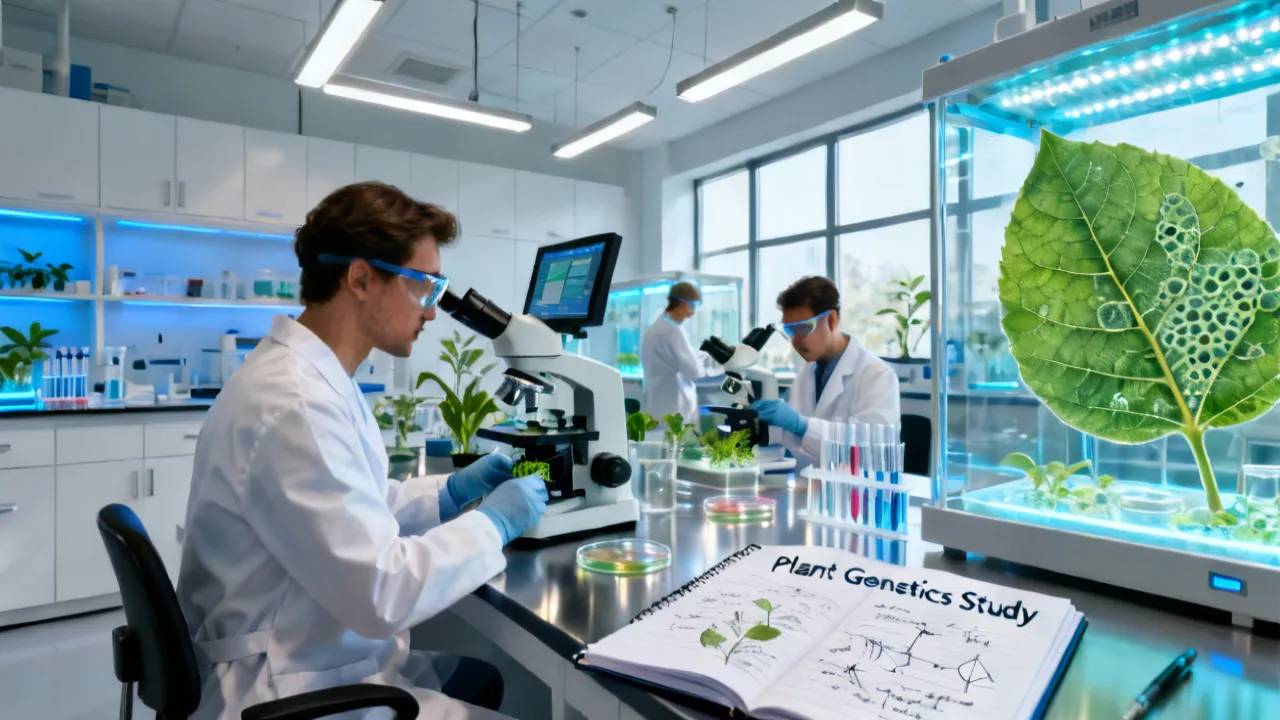
Understanding Rose Cdc: An Overview
In the expansive field of plant biology, the Rose Cdc, short for Rose Cell Division Cycle, stands as a cornerstone of genetic and developmental research. Rose Cdc focuses on the identification and study of cell cycle genes in roses, providing critical insights into their growth patterns and genetic evolution. This research has significant implications not only for the horticultural industry but also for advancing our general understanding of plant biology. By delving deeper into the mechanisms that govern cell division in roses, scientists can unravel the complexities of rose development and its underlying genetic architecture.
The study of Rose Cdc is essential because it ties into larger concepts of plant physiology and genetics. The knowledge gained from this area of research not only helps in the cultivation of more robust and beautiful rose varieties but also contributes to our broader understanding of how plants as a whole respond to environmental stressors, nutritional deficiencies, and other factors affecting their growth. Investigating these genes offers clues into evolutionary processes, explaining how roses adapt and survive in diverse ecosystems.
The Significance of Cell Division in Plant Growth
Cell division is fundamental to plant growth, allowing for the formation of new cells and ultimately contributing to the plant's development. In roses, the cell division cycle is crucial for the formation and maintenance of tissues, impacting everything from stem extension to flower development. This process is intricately linked to plant health, vitality, and the overall aesthetic qualities that roses exhibit. For horticulturists and geneticists, understanding the genetic regulation of this process through the study of Rose Cdc genes can lead to innovations in breeding programs and genetic engineering, optimizing growth and health, while ensuring the production of high-quality blooms.
Cell division in plants primarily encompasses two types: mitosis and meiosis, each serving different purposes within the lifecycle of a plant. Mitosis contributes to growth by producing identical daughter cells, which is essential for the expansion of roots, stems, and leaves. Meiosis, on the other hand, is essential for reproductive processes, allowing for genetic recombination and diversity within populations. Rose Cdc studies focus on key proteins and genes involved in these processes, including cyclins and cyclin-dependent kinases, which play pivotal roles in transitioning cells through different phases of the cell cycle.
Furthermore, understanding how these cell cycles are regulated at the molecular level can have profound implications. For instance, disruptions in the cell cycle can lead to developmental abnormalities or increased susceptibility to diseases. By targeting specific pathways through genetic research, scientists can intervene to enhance the resilience of roses against pathogens and environmental stresses, promoting both health and longevity.
Challenges in Rose Cdc Research
Despite its potential, research into Rose Cdc poses several challenges. The complexity of genetic interactions during the plant cell cycle demands advanced analytical techniques and comprehensive data interpretation. Researchers must navigate issues such as genetic redundancy and the multifaceted nature of developmental pathways, which complicate the understanding of how specific genes influence cell division and growth. Moreover, the polyploid nature of many rose species presents additional hurdles, as the presence of multiple gene copies can mask the effects of mutations or changes in expression.
Genetic redundancy can lead to difficulties in establishing clear function for specific genes, as compensatory mechanisms may obscure the role of a single gene when it is knocked out or altered. There is also the challenge of creating robust models that accurately reflect the dynamic nature of the cell cycle under various environmental conditions. Researchers must combine traditional genetic approaches with cutting-edge molecular techniques to dissect these complex interactions effectively.
Another significant challenge stems from the vast genetic diversity found in rose species. This diversity can result in variations in cell cycle regulation, making it difficult to generalize findings across different varieties. To address this, researchers often have to conduct comparative studies on various species or cultivars, enhancing the complexity of data collection and analysis. Collaboration across disciplines, as well as with international research communities, becomes essential in tackling these challenges.
Technological Advances Supporting Rose Cdc Study
Recent advancements in genetic sequencing and computational biology have revolutionized the study of the Rose Cdc. High-throughput sequencing allows for the rapid identification of cell division-related genes across different rose species, revealing intricate networks of genetic interactions that govern cell growth and division. This technology has democratized access to genetic information, enabling researchers worldwide to explore these vital genetic pathways in real time without the limitations of traditional methods.
Moreover, bioinformatics tools facilitate the analysis of complex genetic data, allowing scientists to visualize and model gene expression patterns across different developmental stages and environmental conditions. These tools can integrate transcriptomic, proteomic, and metabolomic data, providing a holistic view of the molecular landscape during the cell cycle. With this integrated approach, researchers can identify crucial regulatory pathways and potential genetic markers for further study and manipulation.
Additionally, gene editing technologies such as CRISPR/Cas9 have opened new avenues for functional studies of cell division cycle (Cdc) genes. This precise editing tool allows researchers to create targeted mutations, making it easier to confirm the roles of specific genes in the cell cycle. By knocking out genes or inserting regulatory elements, scientists can observe the resulting phenotypic changes and correlate them with cell division behaviors.
| Technological Tool | Application |
|---|---|
| High-throughput Sequencing | Rapid genetic mapping and identification of cell division genes across multiple rose species. |
| Bioinformatics | Data analysis, modeling genetic expression patterns, and visualizing genetic networks. |
| CRISPR/Cas9 | Gene editing techniques for functional studies of Cdc genes, allowing for targeted genetic modifications. |
| RNA Interference (RNAi) | Used to silence specific genes, elucidating their roles in the cell division cycle. |
| Fluorescence Microscopy | Allows for real-time visualization of cell division processes at the cellular level. |
| Genome-Wide Association Studies (GWAS) | Identifies genetic variations associated with key traits in rose species. |
| Single Cell RNA Sequencing | Provides detailed insights into gene expression variability at the individual cell level during the cell cycle. |
Applications of Rose Cdc Discoveries
The research surrounding Rose Cdc holds vast potential for practical applications. By understanding how roses grow and develop on a genetic level, horticulturists and agricultural scientists can devise methods to enhance growth rates, disease resistance, and ornamental qualities. This research extends beyond aesthetics; such knowledge offers significant commercial benefits that can lead to more sustainable practices within the floriculture industry.
One prominent application is the development of novel rose varieties with enhanced traits. For instance, by applying discoveries related to specific cell division genes, breeders can create roses that exhibit increased resistance to common pathogens, reducing the need for chemical pesticides and aligning with more environmentally friendly cultivation practices. This could lead to healthier and more resilient plants that thrive even in less-than-ideal growing conditions.
Furthermore, an understanding of the genetic basis for flower color, fragrance, and size allows for targeted breeding efforts, creating new varieties that cater to consumer preferences. The horticultural industry is governed by trends in ornamental plants, and being able to quickly develop and market new varieties can provide a significant advantage to growers.
Additionally, findings from Rose Cdc research can be translated into agronomic practices, informing strategies for other crops that share similar growth and cell division mechanisms. Insights gained from roses can contribute to advancements in other ornamental plants, fruits, and vegetables, promoting overall agricultural productivity and sustainability. The implications of Rose Cdc reach far beyond roses, influencing a diverse array of plant cultivation practices.
Moreover, the genetic knowledge derived from Rose Cdc research plays a critical role in conservation biology. As climate change continues to impact plant habitats, understanding how different rose species adapt and thrive in varying environments can aid in the conservation of genetic diversity within the genus. This ensures that we maintain a rich gene pool that is crucial for the future of breeding programs and biodiversity.
FAQs
| What is Rose Cdc? | Rose Cdc involves studying the genes responsible for the cell division cycle in roses to understand their growth and development, focusing on key genetic pathways and their evolutionary implications. |
| Why is Rose Cdc important? | Research into Rose Cdc helps improve plant growth, develop new varieties, and enhance disease resistance, impacting both horticulture and agriculture, and contributing to our understanding of plant biology. |
| What challenges does this research face? | The complexity of genetic interactions and the multifaceted nature of the plant cell cycle present significant challenges, including genetic redundancy and the polyploidy of many rose species. |
| What technologies support Rose Cdc research? | Innovations like high-throughput sequencing, bioinformatics, CRISPR/Cas9 gene editing, and single-cell RNA sequencing are pivotal in advancing this field, enabling in-depth exploration of genetic pathways. |
| How can Rose Cdc research benefit the horticultural industry? | This research can lead to the development of new rose varieties with desirable traits, such as disease resistance and enhanced aesthetic qualities, contributing to sustainable and profitable practices in floriculture. |
| Can insights from Rose Cdc be applied to other plants? | Yes, the genetic mechanisms discovered in rose studies can inform breeding and cultivation practices for a wide range of other crops, enhancing agricultural productivity and sustainability. |
Conclusion and Future Prospects
As research into the Rose Cdc progresses, it not only enriches our understanding of rose biology but also contributes to broader scientific knowledge in plant genetics and development. The ongoing integration of advanced technologies promises to accelerate discoveries and applications, potentially transforming horticultural practices worldwide. The future of Rose Cdc research holds promise for unlocking new genetic insights, fostering innovative developments in both laboratory settings and agricultural fields.
Looking forward, it is essential to cultivate collaborative efforts among researchers, horticulturists, and agricultural scientists to ensure the results of Rose Cdc studies are translated into practical applications. Interdisciplinary collaborations will allow for the sharing of knowledge and resources necessary to overcome current challenges, drive innovation, and enhance breeding practices.
Furthermore, as environmental pressures increase globally, the role of genetic research in plant resilience will become increasingly significant. The tools and insights developed through Rose Cdc research can be pivotal in breeding programs aimed at sustainability. Scientists are expected to investigate not only the genes directly involved in the cell division cycle but also those connected to stress responses, flowering time, and morphology—factors that will be crucial in adapting roses and other plants to a rapidly changing climate.
Ultimately, the Rose Cdc stands as a beacon of hope for future advancements in horticulture and plant sciences. By continuing to explore the complexities of plant genetics, we can foster a deeper understanding of plant biology, paving the way for innovations that could reshape the landscape of agriculture and contribute to food security and environmental sustainability. The journey into the genetic intricacies of the rose is only beginning, and its implications are poised to resonate far beyond the garden, impacting ecosystems and agricultural practices for generations to come.