Understanding the Gx10q センサー
The Gx10q センサー is central to modern industrial applications, enhancing precision and efficiency. This article explores its relevance in diverse sectors, analyzing its features, benefits, and impact on technology. Understanding how these sensors work can aid in selecting the right one for specific business needs, contributing to improved operational results.
Introduction to the Gx10q センサー
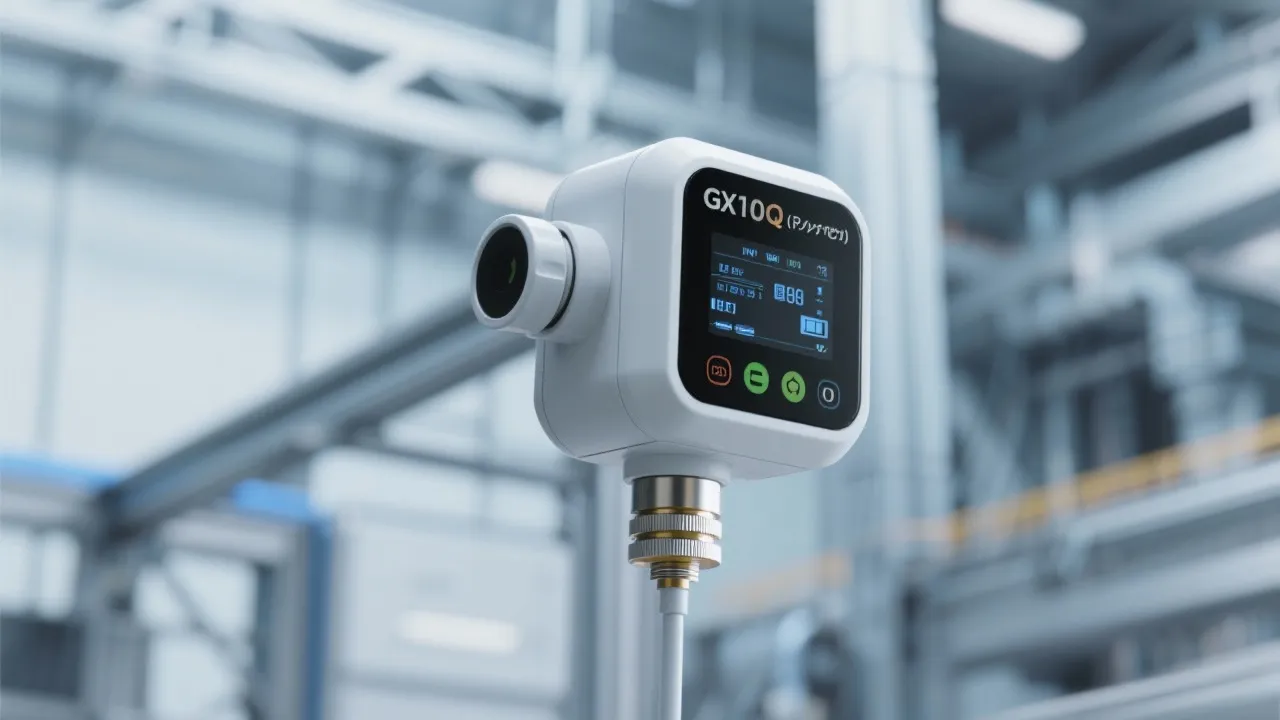
In the rapidly advancing world of industrial technology, the role of sensors has become increasingly significant. Among these, the Gx10q センサー stands out due to its versatility and precision. The Gx10q センサー is often employed in various applications, from automation to monitoring, offering substantial benefits in terms of accuracy and efficiency. This sensor exemplifies cutting-edge technology, utilizing advanced materials and algorithms to provide detailed real-time data essential for decision-making and process optimization. The significance of the Gx10q センサー continues to grow as industries strive for higher productivity and sustainability.
Features of the Gx10q センサー
The Gx10q センサー is designed with high sensitivity and advanced detection capabilities, making it ideal for dynamic industrial environments. Some of its notable features include robust signal processing, environmental adaptability, and a compact design that allows for seamless integration into existing systems. Its high response rate and low power consumption further enhance its utility in resource-constrained settings, contributing to sustainability initiatives within manufacturing plants. Moreover, the use of user-friendly interfaces and integration protocols ensures that systems employing the Gx10q センサー can be easily monitored and configured according to specific operational requirements.
Industrial Applications of the Gx10q センサー
The Gx10q センサー is extensively used in sectors such as manufacturing, automotive, and aerospace. These industries benefit from its precise measurement capabilities, which are crucial for maintaining quality and efficiency. For instance, in the automotive industry, it aids in monitoring engine performance and safety features, allowing for real-time adjustments that enhance vehicle safety and performance. It collects invaluable data regarding temperature, pressure, and motion, facilitating continual improvements in automotive design and function. Similarly, in manufacturing, it is used for monitoring machine parameters to ensure optimal operation, identifying discrepancies before they escalate into more significant issues. Furthermore, sectors like pharmaceuticals rely on the Gx10q センサー for maintaining stringent compliance with health and safety regulations, ensuring the integrity of products produced.
Benefits of Implementing the Gx10q センサー
The implementation of the Gx10q センサー can enhance operational precision and reduce downtime through early detection of anomalies. Its ability to deliver accurate data helps in predictive maintenance, thus saving costs related to unexpected equipment failure. By actively monitoring equipment conditions, the Gx10q センサー allows for scheduled maintenance work to take place, which can be strategically planned during non-peak hours, minimizing operational disruptions. Additionally, its integration contributes to improving overall product quality, thereby increasing customer satisfaction. This not only leads to a reduction in waste and recalls but also enhances brand reputation. As industries place a greater emphasis on efficiency and sustainability, the Gx10q センサー serves as a critical component in moving towards these goals.
Choosing the Right Gx10q センサー
When selecting a Gx10q センサー, consider factors like the specific industrial requirements, environmental conditions, and budget constraints. It is advisable to assess the sensor’s compatibility with existing equipment and its ease of installation and maintenance. Potential users should also evaluate the required accuracy levels for their specific applications, understanding that different models of Gx10q センサー may offer different sensitivities and specialized functions tailored for particular environments. Additionally, consultation with industry experts can provide valuable insights into the long-term benefits of certain models versus initial costs, underscoring the importance of informed decision-making.
Comparison Table of Gx10q センサー Models
| Model | Sensitivity | Operating Temperature Range | Applications |
|---|---|---|---|
| Gx10q-Model A | High | -40°C to 85°C | Automotive, Aerospace |
| Gx10q-Model B | Medium | -20°C to 70°C | Manufacturing, Robotics |
| Gx10q-Model C | Low | 0°C to 60°C | Consumer Electronics |
FAQs
- What industries primarily use the Gx10q センサー? The sensor is prominently used in automotive, manufacturing, aerospace, and consumer electronics. Each sector leverages the sensor's capabilities to enhance its specific operational processes, showcasing the versatility and importance of the Gx10q センサー across varied fields.
- Are there specific maintenance requirements for the Gx10q センサー? Regular calibration and environment-specific maintenance can enhance sensor longevity and performance. Manufacturers typically recommend a maintenance schedule based on operating conditions and sensor usage frequency to ensure optimal performance.
- How does the Gx10q センサー enhance operational efficiency? By providing precise data that helps in predictive maintenance and quality control, the Gx10q センサー allows businesses to make informed decisions that prevent unforeseen equipment failures and production halts, ensuring a smooth and efficient workflow.
Challenges in Implementing the Gx10q センサー
While the Gx10q センサー offers numerous advantages, there are implementation challenges that organizations may face. One of the primary challenges is the integration of these sensors into existing systems that may have varying levels of technological advancement. Organizations often need to ensure interoperability amongst multiple sensor types and legacy systems, which could require additional investment in new communication interfaces or protocols.
Furthermore, as industries adopt IoT (Internet of Things) technologies, incorporating sensors like the Gx10q into a networked environment may complicate the data management process. The influx of data demands robust analytics frameworks and cybersecurity measures to safeguard sensitive information. Establishing effective protocols for data handling, storage, and analysis will be vital for leveraging the full potential of the Gx10q センサー.
Another challenge is the requirement for skilled personnel that can operate and maintain sensor technologies effectively. Organizations must invest not only in equipment but also in training for staff to manage the technology adequately. Skill gaps could pose significant barriers for companies looking to capitalize on technological advancements through the use of Gx10q sensors.
Moreover, industries operating in environments with severe conditions, such as extreme temperatures, high humidity, or vibrations, need to make informed decisions about sensor model selection. Understanding these variables is critical to ensure that the sensor can perform reliably under specific environmental stresses.
The Future of Gx10q センサー Technology
The future of Gx10q センサー technology looks promising, with continuous advancements being made to enhance their applicability and effectiveness in various industrial sectors. Emerging technologies, such as AI (Artificial Intelligence) and machine learning, are expected to play a crucial role in the future development of these sensors. By integrating AI, the Gx10q センサー can provide not just real-time data but also predictive insights based on historical patterns, which can further refine maintenance practices and operational strategy.
Additionally, as industries evolve, the demand for more specialized sensors will likely grow. Future iterations of the Gx10q センサー may include features such as self-calibration, higher sensitivity ranges, or even multisensory capabilities, allowing one sensor to perform multiple measurement functions. Such versatility could significantly reduce costs and streamline operations within industrial environments.
The increased push for sustainability and environmental consciousness in industries will also inspire innovations in sensor technology. Development efforts may focus on creating eco-friendly models, implementing energy-efficient technologies, and ensuring that sensors can operate effectively within sustainable practices.
Furthermore, with the expansion of smart factories and Industry 4.0 initiatives, the integration of Gx10q sensors into smart grid systems will support not only machinery performance but also energy management. This integration is essential for optimizing resources and reducing operating costs in alignment with global sustainability goals.
Case Studies of Successful Gx10q センサー Implementation
Several companies across different sectors have successfully implemented the Gx10q センサー, illustrating its vast applicability and positive impacts on operational efficiency and product quality.
In the automotive sector, a leading manufacturer introduced the Gx10q-Model A to monitor real-time engine health metrics. By deploying these sensors, the company reported a 25% reduction in mechanical failures due to proactive maintenance facilitated by the precise data provided. This implementation not only improved vehicle safety but also elevated customer satisfaction due to the enhanced reliability of their products.
In aerospace, an aircraft manufacturing facility utilized the Gx10q-Model A for monitoring atmospheric conditions during assembly processes. The sensors provided accurate readings of temperature and humidity, ensuring optimal conditions for the adhesion of critical components. This judicious use of the Gx10q センサー resulted in fewer defects and an increase in production efficiency, affirming the importance of maintaining precise environmental control in sensitive manufacturing processes.
On the manufacturing front, a large-scale industrial plant integrated the Gx10q-Model B for real-time monitoring of machine performance metrics, leading to significant improvements in throughput and reduction in waste. The data provided by the sensors facilitated fine-tuning of production processes that were previously hampered by inefficiencies, therefore enabling the establishment of a continuous improvement culture.
Lastly, a consumer electronics company adopted Gx10q-Model C sensors to enhance product testing procedures. Prior to the integration of these sensors, traditional testing resulted in extended times to market due to defects found in later stages. However, the Gx10q センサー allowed for more thorough and timely evaluations during the manufacturing phases, reducing testing times and increasing overall product launch efficiency.
Conclusion
In conclusion, the Gx10q センサー represents a pivotal element in modern industrial operations, bridging the gap between technology and practical efficiency. Its implementation not only refines operational processes but also contributes to cutting-edge advancements within various industries. The diverse applicability of the Gx10q センサー demonstrates its robust utility in enhancing productivity, safety, and product quality.
As industries continue to look toward advanced technology solutions to maintain a competitive edge, the Gx10q センサー will undoubtedly play an integral role in shaping the future landscape of industrial technology. Through the continuous development of its capabilities and functionalities, the Gx10q センサー stands ready to support innovative approaches to modern challenges in operational efficiency and quality management. The ongoing evolution of sensor technology and its integration into various sectors will further explore the boundaries of what is achievable in industrial automation and monitoring.
-
1

Mastering Business Transformation with a Business School MBA Program
-
2
How to Select an Online Psychology Degree with No Application Fee and Accreditation
-
3
Choosing Electricity Suppliers: Green Energy and Affordable Rates Guide
-
4
Mastering ASVAB: Essential Tips for Practice Tests and Preparation
-
5
Comprehensive Guide for Seniors: Roof Cleaning and Financial Assistance