Navigating Affordable Housing Options
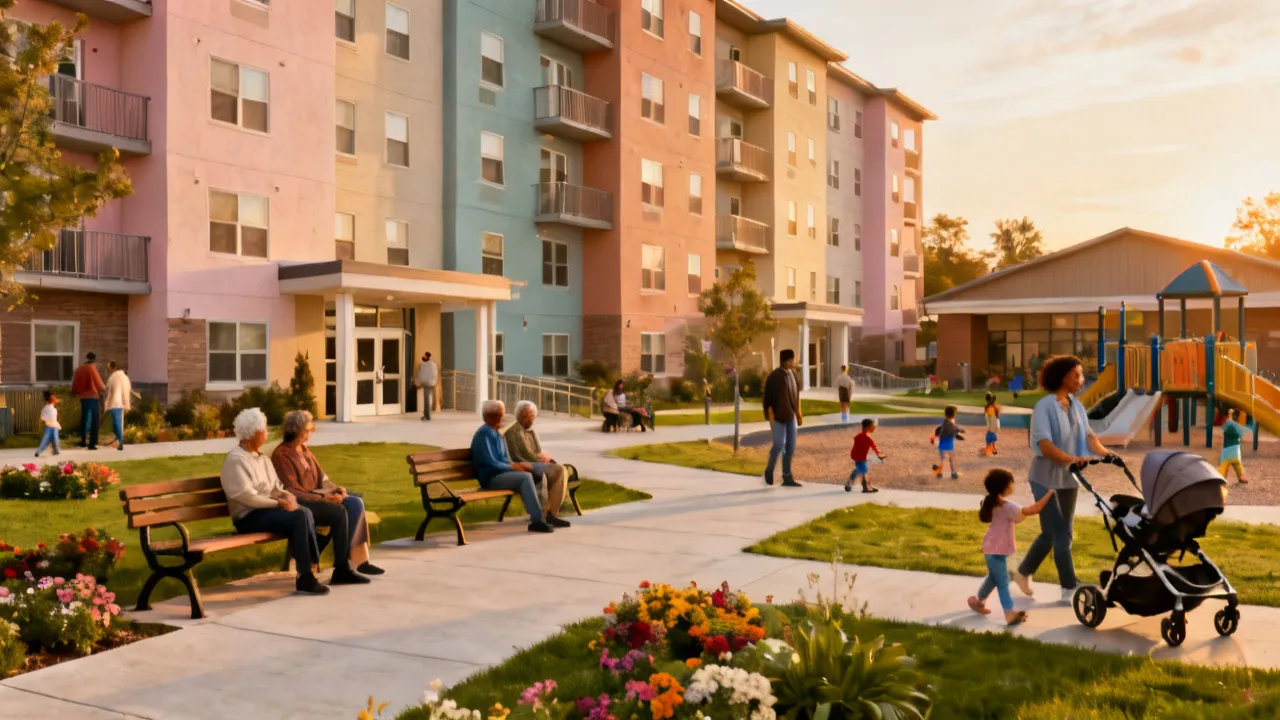
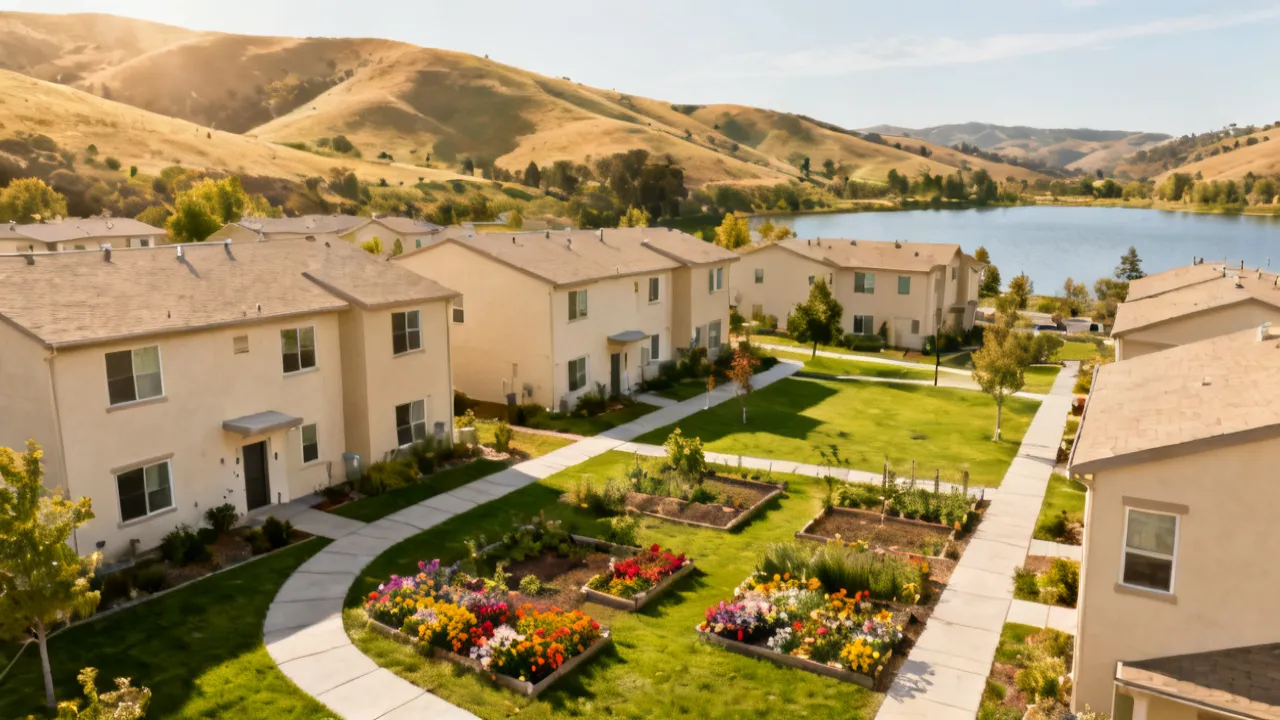
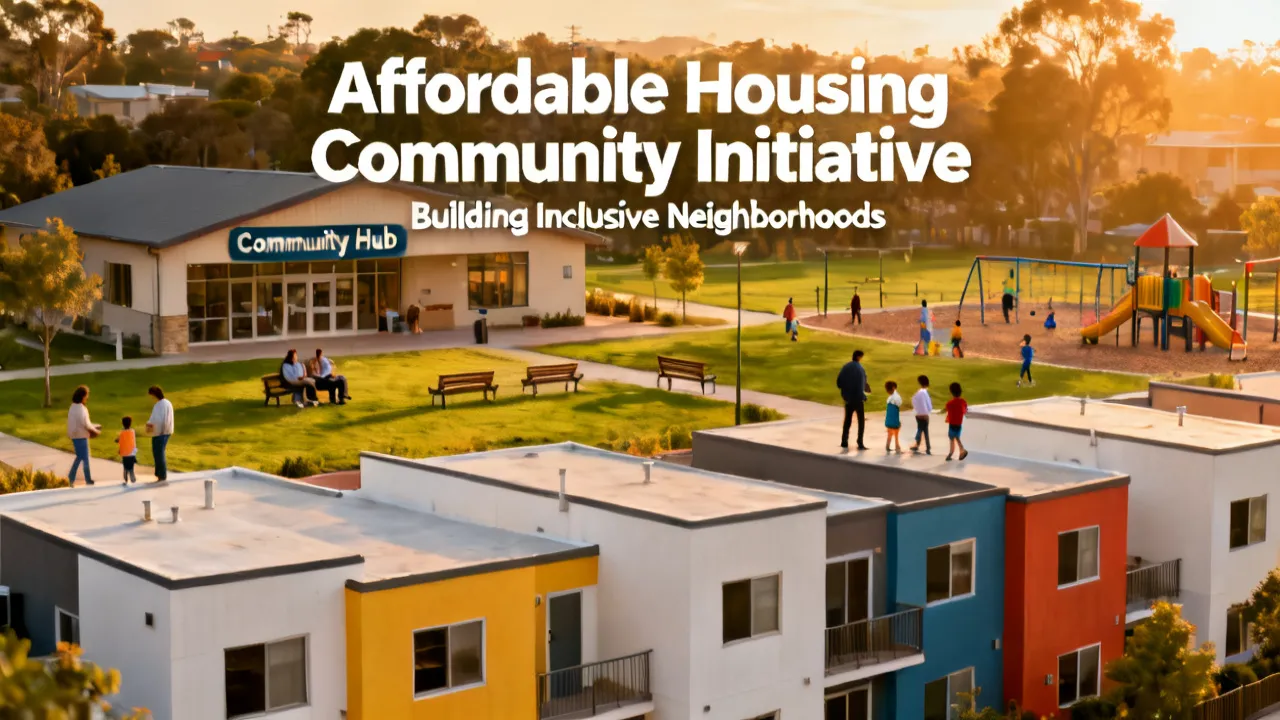
Affordablehousing.com serves as a crucial resource in the realm of affordable housing, facilitating connections between providers and seekers of budget-friendly living spaces. Specialized in lowering housing costs, this platform emphasizes user-friendly navigation and broad accessibility, providing essential insights into the affordable housing landscape.
Understanding Affordable Housing
Affordable housing is a cornerstone of urban development, providing residences that do not strain the financial resources of low- to moderate-income families. The importance of affordable housing cannot be overstated, as it affects stability, safety, and accessibility to community resources. With the rise of urbanization, finding affordable places to live has become increasingly vital. This is where Affordablehousing.com comes in as an indispensable tool.
A significant concern in cities across the globe is the growing gap between income and housing costs. As urban areas expand and attract more residents, the demand for affordable housing often outstrips supply, leading to inflated prices. This phenomenon, often referred to as gentrification, can displace long-time residents and alter the character of neighborhoods. In this context, the role of affordable housing becomes imperative, not just as a social good, but as a necessity for a sustainable urban environment.
Key Features of Affordablehousing.com
Renowned for its comprehensive database, Affordablehousing.com serves as a bridge between individuals and families in search of affordable residences and the property owners who provide them. The platform streamlines the search process, allowing users to filter listings by price, location, and amenities. This not only saves time but also expands the pool of choices available to potential tenants.
The website’s user-friendly interface is designed to enhance the experience for both tenants and landlords, promoting transparency in the housing search process. Users can access detailed information about properties, including available floor plans, community amenities, and proximity to essential services such as schools and parks. This rich dataset empowers users to make informed decisions.
Expert Tips on Using Affordablehousing.com:
- Thoroughly Use Filters: By refining your search parameters, you can quickly locate properties that meet your financial and spatial needs. Consider filtering for features that are important to you, such as pet-friendly options or laundry facilities.
- Schedule Tours: Many listings offer virtual tours, allowing you to view a property from the comfort of your home before deciding to visit in person. This can save you time and help narrow down your choices significantly.
- Seek Additional Assistance: The platform often connects users to external resources for financial advice and tenant rights education. Understanding your rights as a tenant can empower you in negotiations and interactions with landlords.
Benefits of Affordable Housing
Access to affordable housing brings numerous advantages. It allows residents to invest more in health, education, and overall quality of life. Additionally, stable housing is linked to better health outcomes, educational attainment, and employment opportunities. Communities with adequate affordable housing are often more vibrant and equitable.
Moreover, affordable housing plays a crucial role in revitalizing neighborhoods. When affordable units are available, they can attract a diverse population, which fosters economic growth and cultural enrichment. This diversity can lead to robust community engagement, social cohesion, and decreased crime rates. Residents who are not burdened by exorbitant housing costs are more likely to contribute to local businesses and participate in neighborhood events, further strengthening community ties.
| Location | Typical Price Range | Key Housing Features |
|---|---|---|
| Urban Centers | $800 - $1,200/month | Proximity to public transport, mixed-use properties |
| Suburban Areas | $700 - $1,000/month | Larger living spaces, family-friendly neighborhoods |
| Rural Communities | $600 - $900/month | Open spaces, close-knit community feel |
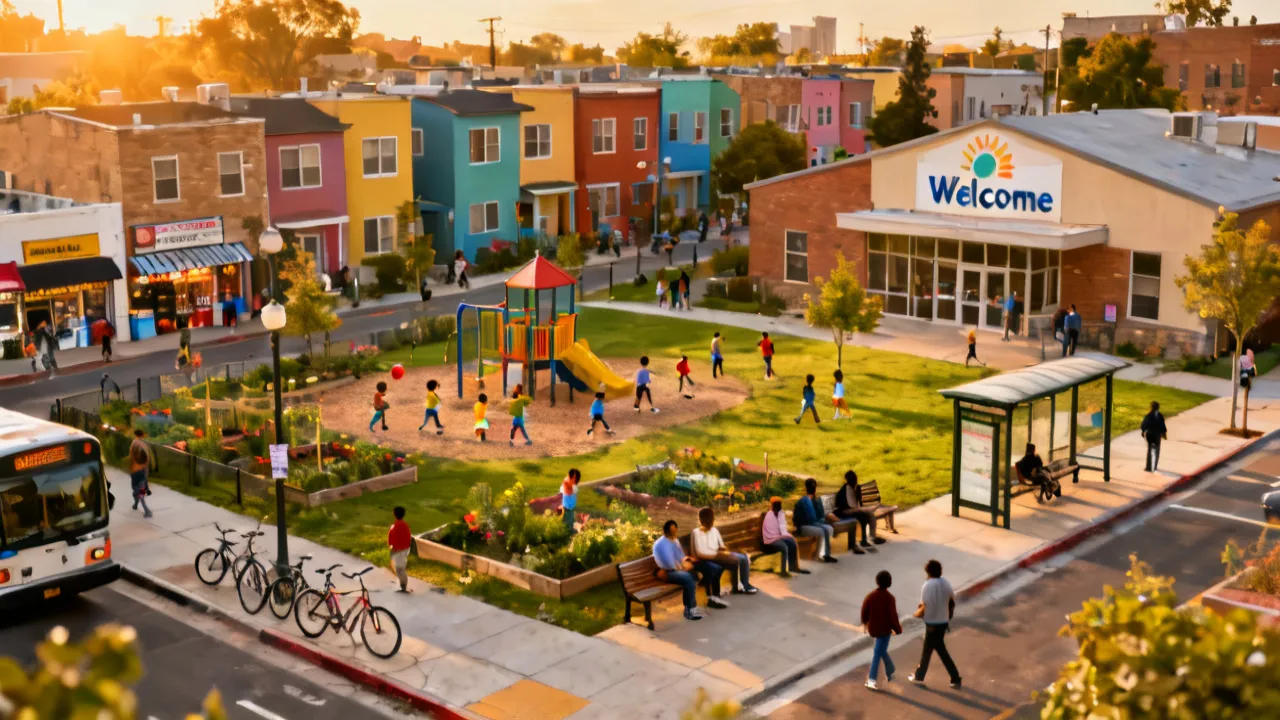
Furthermore, when affordable housing is integrated intelligently into city planning, it can mitigate some of the negative impacts of urban sprawl. Developments designed with affordable units can function as vibrant hubs rather than isolated pockets, offering residents access to public transportation, quality schools, and job opportunities. This not only enhances the quality of living for those who reside in these units but also for the broader community by ensuring that urban development is inclusive and equitable.
Challenges in the Affordable Housing Sector
Despite the numerous benefits that come with affordable housing, significant challenges persist. High land costs, zoning restrictions, and opposition from established residents (often referred to as NIMBYism) complicate the development of new affordable housing projects. Local governments may struggle to strike a balance between stimulating economic development and sustaining existing communities.
One of the prevalent issues is the lack of funding and resources dedicated to affordable housing. Many cities face budget constraints that limit their ability to subsidize housing effectively. Furthermore, the increasing price of land and development materials can deter developers from pursuing affordable housing projects due to low profit margins. To combat this, innovative financing strategies and public-private partnerships are essential to finding solutions that bridge the gap in funding.
Additionally, a lack of comprehensive policies at the federal, state, and local levels can exacerbate the housing crisis. Policies need to focus on not just creating affordable units but also ensuring that they remain accessible to those who need them most. Measures such as rent control, housing vouchers, and inclusionary zoning laws can provide pathways to creating and maintaining a stable supply of affordable housing options.
Community Involvement in Affordable Housing
Community involvement is vital in addressing the affordable housing shortage. Advocacy groups and non-profit organizations have been instrumental in bringing awareness and pushing for policies that support affordable housing initiatives. By mobilizing residents and stakeholders, these entities can create pressure on local governments to prioritize housing affordability in budgets and policy agendas.
Public forums, workshops, and town hall meetings can serve as platforms for community members to voice their concerns and ideas. These discussions often lead to collaborative solutions that consider the needs of the community while also addressing the broader complexities of urban development. Moreover, grassroots movements can effectively highlight the personal stories of those affected by the affordable housing crisis, thus humanizing the issue and garnering public support for necessary reforms.
Another avenue for community involvement is through the establishment of community land trusts (CLTs). These non-profit organizations acquire land to provide permanently affordable housing opportunities. By collectively owning the land, CLTs can ensure that housing remains affordable over time, thus protecting it from market fluctuations. This model not only promotes affordable housing but also encourages local investment and development strategies that bolster community resilience.
Innovative Approaches to Affordable Housing
To tackle the ongoing challenges in affordable housing, cities and developers are exploring innovative approaches. Modular housing, for instance, presents a cost-effective solution to rapidly address housing shortages. By constructing homes in controlled environments and transporting them to sites for assembly, developers can reduce construction costs and timelines while producing high-quality housing units.
Additionally, tiny homes have gained popularity as an affordable housing solution, particularly among individuals facing homelessness or those seeking minimalist lifestyles. These compact dwellings can quickly be deployed in existing communities, often utilizing underutilized land effectively. Tiny home communities also foster social connections and shared resources, enhancing the sense of community among residents.
Furthermore, sustainable building practices are becoming increasingly important in affordable housing development. Building energy-efficient homes with renewable energy sources not only reduces utility costs for residents but also minimizes the environmental impact of urban development. By integrating green technologies and sustainable resources, affordable housing can align with broader climate goals while providing safe and affordable living spaces for families.
FAQs
- How does Affordablehousing.com assist with finding a home?
- The platform offers a vast array of listings that can be tailored to individual needs through its powerful search and filter tools. Users can sort results based on their budget, preferred amenities, neighborhood safety, and even proximity to workplaces or schools.
- Are there any conditions for listing a property on Affordablehousing.com?
- Properties must meet local housing codes and regulations to be listed. Owners should also provide accurate descriptions and pricing information. This ensures potential tenants receive reliable information, helping to avoid misunderstandings and reinforcing the platform's credibility.
- What is the role of local governments in affordable housing?
- Local governments often provide incentives, tax breaks, and funding for developing affordable housing projects, in addition to enacting supportive policies. By prioritizing affordable housing in their urban planning agendas, governments can foster environments conducive to economic mobility and community well-being.
- How can I advocate for more affordable housing in my community?
- Engaging in local advocacy groups is a powerful way to influence affordable housing policies. Attend public meetings, write to your representatives, and participate in campaigns that promote housing equity. Your voice can help sway public opinion and lead to impactful changes.
- What steps can individuals take to secure affordable housing?
- Start by assessing your financial situation and identifying what you can afford. Utilize resources like Affordablehousing.com to explore your options, and don’t hesitate to reach out to local housing authorities for assistance. Understanding tenant rights and available assistance programs can also be beneficial.
Conclusion: Navigating the Affordable Housing Market
The quest for affordable housing is a universal one, affecting countless individuals and families. By leveraging resources like Affordablehousing.com, seekers can find options that align with their financial capacities while ensuring a comfortable living environment. As cities continue to grow, sites dedicated to affordable residence options will remain crucial in ensuring that housing remains a right, and not a privilege, for all.
In looking toward the future, ongoing dialogue and strategic collaboration between government bodies, non-profit organizations, and community members will be essential in creating lasting solutions to the affordable housing crisis. As urbanization continues to shape our world, prioritizing affordable housing will not only enhance societal stability and equity but will also lay the foundation for thriving, inclusive communities.
Ultimately, affordable housing advocates must remain steadfast in their efforts to promote equitable policies, innovative solutions, and community engagement initiatives that can transform the landscape of housing accessibility. As we learn more about the complexities surrounding affordable housing, it becomes increasingly clear that collective action is not just beneficial but necessary for building a future where everyone has access to quality housing.