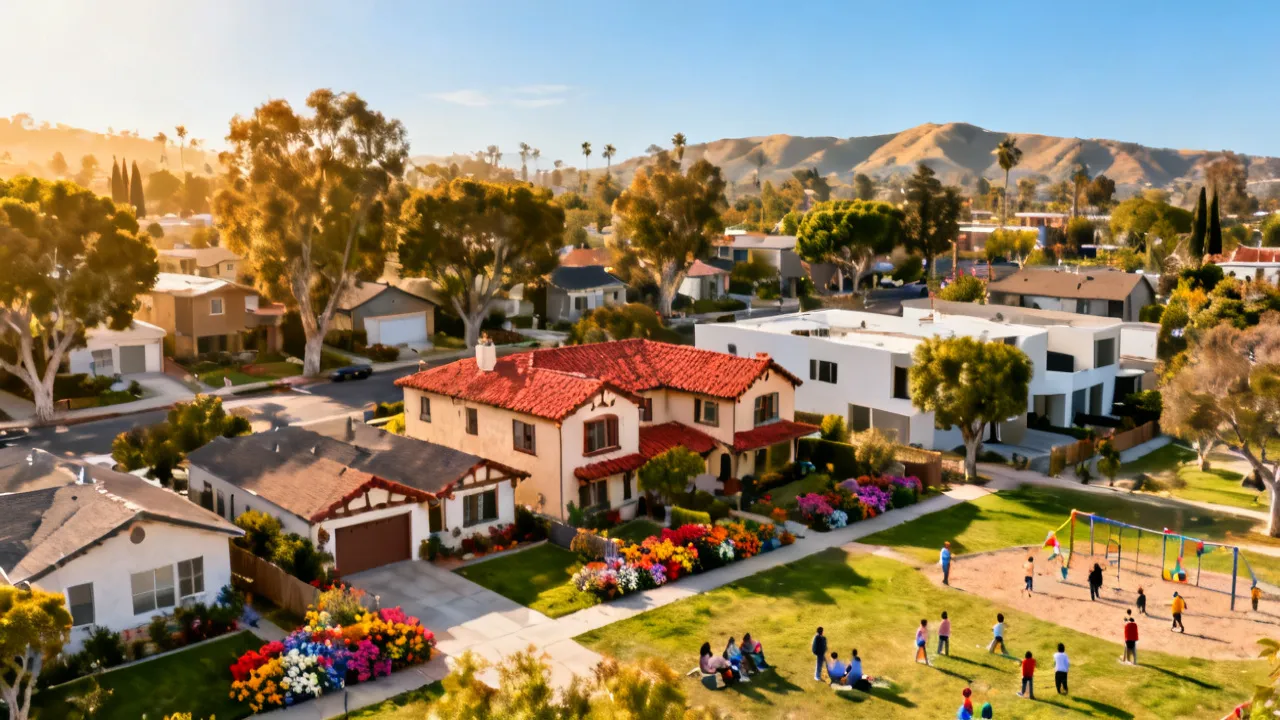
Understanding Housing in Los Angeles County
Housing in Los Angeles County is a topic of major concern due to the complex interplay of high demand, limited supply, and the policies enacted by Housing Lacounty Gov. As a central hub within California, the area grapples with challenges ranging from affordability to homelessness. Local and state agencies are continuously working to address these issues through a variety of programs and legislative measures.

Introduction to Housing in Los Angeles County
Los Angeles County, located in the heart of California, is not just a geographic area but a vibrant cultural and economic hub known for its diverse communities and endless opportunities. From the glitz of Hollywood to the serene beaches of Malibu, the area attracts millions seeking a better life. However, the charm of Los Angeles County comes with substantial challenges, particularly in the housing sector, which is increasingly strained by a combination of high demand, steep prices, and limited availability. The intricacies of these housing challenges are highlighted by the work of Housing Lacounty Gov, an essential agency in the region that plays a pivotal role in shaping housing policy and providing critical resources to address the pressing needs of the community. To understand the state of housing in Los Angeles County is to engage with broader socio-economic dynamics, including the impacts of gentrification, the rise of tech industry jobs, and a historical context that includes legislative barriers and community resistance to change.
Overview of Housing Challenges
With a population fluctuating above 10 million people, Los Angeles County stands as one of the most populous counties in the United States. This density presents unique challenges that intertwine with the city's historical context, urban planning decisions, and economic realities. The difficulties experienced in securing affordable, available housing are multi-faceted and deeply rooted in systemic issues.
- High Demand and Low Supply: The demand for housing in Los Angeles continues to soar, significantly outstripping the current supply. This imbalance drives prices to unprecedented heights, making it increasingly challenging for potential renters and homebuyers. Contributing factors include restrictive zoning laws, which often inhibit the construction of new units, and land-use policies that favor single-family homes over multi-family developments. These issues are further compounded by a growing population and increased job opportunities in tech, entertainment, and other lucrative sectors, accentuating the urgency for strategic housing solutions.
- Affordability Crisis: The cost of living in Los Angeles County is notorious, with many residents spending an exorbitant proportion of their monthly incomes on housing costs. A household is considered ‘cost-burdened’ when it spends more than 30% of its income on housing. A significant percentage, approximately 50% of renters, fall into this category, indicating a desperate need for affordable housing solutions. The affordability gap is further exacerbated by stagnant wage growth and rising utility costs, pushing many individuals and families into precarious living situations.
- Homelessness Epidemic: Los Angeles County has seen an alarming rise in homelessness, currently hosting tens of thousands of individuals living without homes. This crisis reflects the broader national issue of homelessness but has been amplified in LA due to the lack of affordable housing, the rising cost of living, and inadequate mental health and addiction services. The visibility of homelessness is prevalent in the urban landscape, demanding immediate and comprehensive responses from local government agencies and community organizations.
Role of Housing Lacounty Gov
The Housing Authority of the County of Los Angeles, commonly referred to as Housing Lacounty Gov, is a crucial player in the realm of housing services, dedicated to tackling these pervasive challenges. This agency facilitates a multitude of essential programs designed to increase the availability of affordable housing options, provide critical support to individuals experiencing homelessness, and advocate for sustainable urban development. Its efforts are directed towards not only meeting the immediate needs of the community but also fostering long-term strategies to combat ongoing housing issues. The agency plays a central role in policy advocacy, ensuring that the voices of those adversely affected by housing disparities are heard at every government level.
Programs and Initiatives
Housing Lacounty Gov is instrumental in sponsoring programs that aim to provide solutions to various housing issues faced by residents. Among these programs are:
- Section 8 Housing Choice Voucher Program: This program provides rental assistance to low-income families, effectively allowing them to select housing in the private market that meets their needs. It aims to empower families by giving them the freedom to choose neighborhoods that are better aligned with their aspirations for education and job opportunities.
- Project-Based Voucher Program: By forging partnerships with property owners, this initiative helps to increase the number of affordable housing units available in the county. This program expands housing opportunities for lower-income families within designated project sites.
- Supportive Services Financing: This innovative funding program targets projects providing essential services to individuals transitioning from homelessness to stable housing. It acknowledges the critical link between housing and supportive services such as mental health counseling, job training, and substance abuse recovery, facilitating a more holistic approach to ending homelessness.
- Homeownership Programs: Recognizing the importance of homeownership in building wealth for families, Housing Lacounty Gov offers programs aimed at making homeownership more accessible, particularly for first-time buyers. These initiatives provide resources such as down payment assistance and financial education.
- Affordable Housing Development Assistance: The agency works collaboratively with developers to lower barriers to creating affordable housing units. This may include providing financing, technical assistance, or policy changes that facilitate the construction of new housing developments in under-resourced areas.
Recent Developments
In recent years, the landscape of housing policy in Los Angeles County has undergone substantial changes, primarily influenced by legislative efforts that address the root causes of housing shortages. Various state-level measures have been introduced to reform zoning laws that historically limited the construction of higher-density housing in many neighborhoods. These reforms include laws that permit accessory dwelling units (ADUs) to allow homeowners to rent out parts of their properties, thereby increasing the rental supply. Additionally, there have been incentives created for developers to build affordable units, such as tax credits and streamlined permitting processes to encourage timely developments.
Furthermore, local initiatives focused on identifying and repurposing underutilized lands for housing development, particularly in areas near transit hubs, underscore a push towards sustainable urban planning that minimizes commuting costs and encourages public transportation usage. Despite these developments, challenges remain as community resistance to higher-density housing persists, often due to concerns about increased traffic, changes to neighborhood character, and potential impacts on local resources.
Understanding the Local Context
To fully grasp the complexities surrounding housing in Los Angeles County, it is essential to consider various local economic and cultural factors that influence the housing market. The area’s diverse economy attracts a steady flow of new residents, drawn by the availability of jobs in technology, entertainment, and creative industries. However, this influx adds further pressure on an already strained housing market, resulting in rising rents and home prices in many neighborhoods.
The cultural landmarks of Los Angeles, spanning from museums and theaters to renowned parks and beaches, enhance the quality of life, making the region even more desirable but also pushing up housing costs. Areas within close proximity to entertainment hubs or natural attractions often command premium prices, leaving lower-income residents to seek affordable options further afield, which often leads to longer commutes and fewer community resources.
Additionally, systemic inequities rooted in historical policies such as redlining and discriminatory lending practices have contributed to the current spatial dynamics of wealth and poverty across the county. The impacts are visible in economically disadvantaged neighborhoods, where investment in infrastructure and housing has lagged compared to more affluent areas. This long-standing cycle necessitates intentional policy decisions and community investments to drive real change.
| Program | Description | Beneficiaries |
|---|---|---|
| Section 8 Housing Choice Voucher | Financial assistance to help low-income families afford housing in the private market. | Low-income families and individuals |
| Project-Based Voucher | Collaborative initiative to increase affordable housing through partnerships with property owners. | Public housing residents and low-income households |
| Supportive Services Financing | Funds programs that assist formerly homeless individuals with necessary services. | Formerly homeless individuals and families |
| Homeownership Programs | Assistance for first-time homebuyers with down payments and financial literacy. | Low- to moderate-income families |
| Affordable Housing Development Assistance | Support to developers aiming to create new affordable housing units. | Low-income families and individuals |
FAQs
Q: What are the main barriers to affordable housing in Los Angeles County?
A: The main barriers include high demand relative to supply, stringent land-use policies, and the exorbitant costs associated with construction and development. Local opposition to new developments also plays a significant role in stymying growth.
Q: How does Housing Lacounty Gov support community development?
A: Housing Lacounty Gov supports community development through a variety of programs, including housing vouchers and financial assistance for development projects aimed at increasing affordable housing opportunities. The agency also engages with community stakeholders to address local concerns and foster community-driven projects.
Q: What are some successful strategies implemented by Housing Lacounty Gov?
A: The agency has successfully utilized housing vouchers, incentivized the development of affordable units via financial programs, and integrated essential supportive services into housing initiatives to assist formerly homeless individuals in achieving stability.
Q: How can residents provide input on housing policies?
A: Residents can engage with housing policy discussions through public forums, hearings, and community meetings organized by Housing Lacounty Gov and various local government agencies. Active participation ensures that their voices are included in policy formulation.
Future Outlook and Conclusion
Looking ahead, the future of housing in Los Angeles County remains a complex interplay of challenges and opportunities. With ongoing legislative reforms and community advocacy efforts, there is potential for positive change, although significant work remains to be done. Key to this evolution will be the fostering of collaborative partnerships between government, private sector developers, and community organizations.
Continued focus on policies that prioritize affordability, accessibility, and sustainability will be critical in addressing the housing crisis. The integration of innovative solutions such as modular housing, community land trusts, and adaptive reuse projects could provide new avenues for housing availability while minimizing environmental impact. Developing a comprehensive housing strategy that embraces inclusionary zoning and equitable development will ensure that all residents have a fair chance at stability and prosperity.
As Housing Lacounty Gov pushes forward with its initiatives, the engagement of residents and stakeholders remains essential. It is through their voices and experiences that informed, compassionate, and effective policies will emerge, paving the way for a housing landscape that reflects the diverse and dynamic nature of Los Angeles County.
Ultimately, understanding and addressing the complexities of housing in this diverse and sprawling region requires a comprehensive approach that encompasses not only policy reform but also a commitment to community engagement and economic empowerment. As the county navigates the challenges ahead, proactive involvement from all segments of society will be vital in achieving a housing market that serves the needs of all residents.