Understanding the Significance of Nic Maps
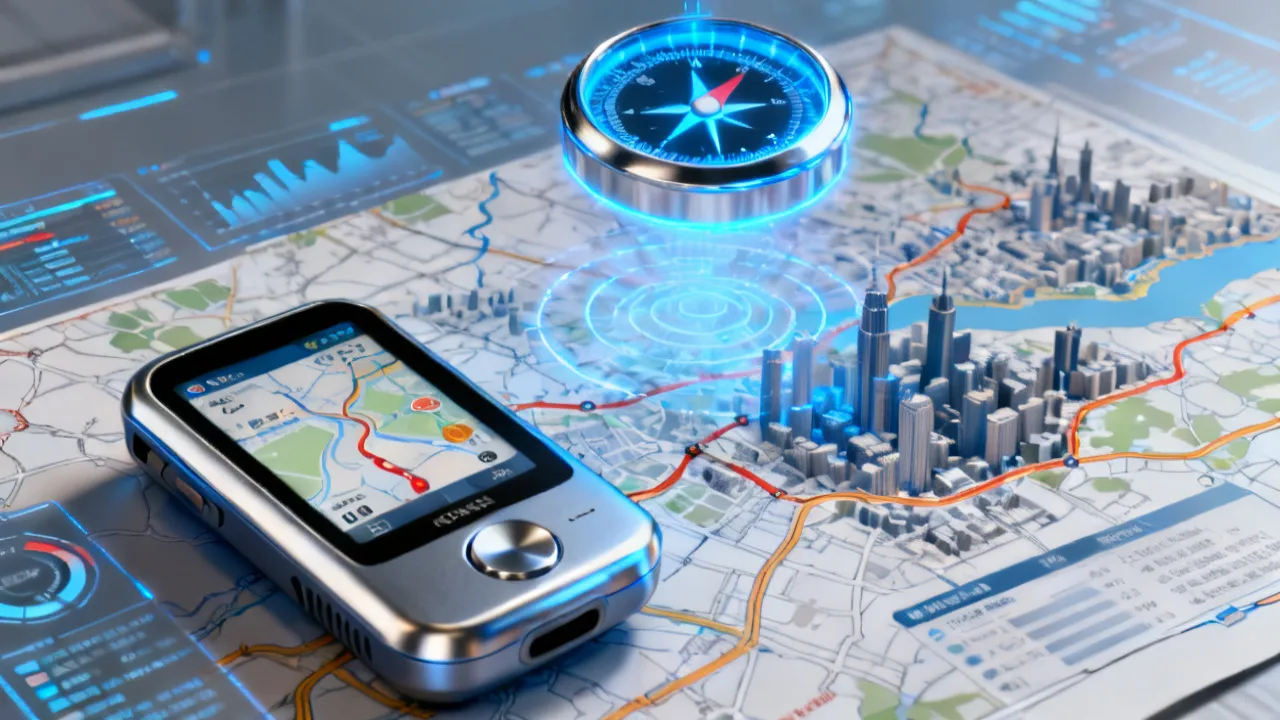
Nic Maps are a crucial component in geographical and urban planning, providing essential data for various applications. These maps serve as versatile tools for both large-scale infrastructure projects and everyday navigation. An industry staple, Nic Maps combine precision with clarity, catering to professionals and enthusiasts alike. Discover the intricacies and uses of Nic Maps in this comprehensive guide.
The Fundamentals of Nic Maps
Nic Maps offer a wealth of information indispensable in fields like urban planning, geographical analysis, and infrastructure development. They present complex geographic data in a visual format, making it easier to interpret and apply. By understanding Nic Maps, professionals can make informed decisions that improve project outcomes and streamline navigation. The importance of Nic Maps transcends professional applications, as they are often utilized by governmental agencies to ensure compliance with zoning laws, environmental regulations, and to inform community stakeholders.
Detailed Analysis of Nic Maps
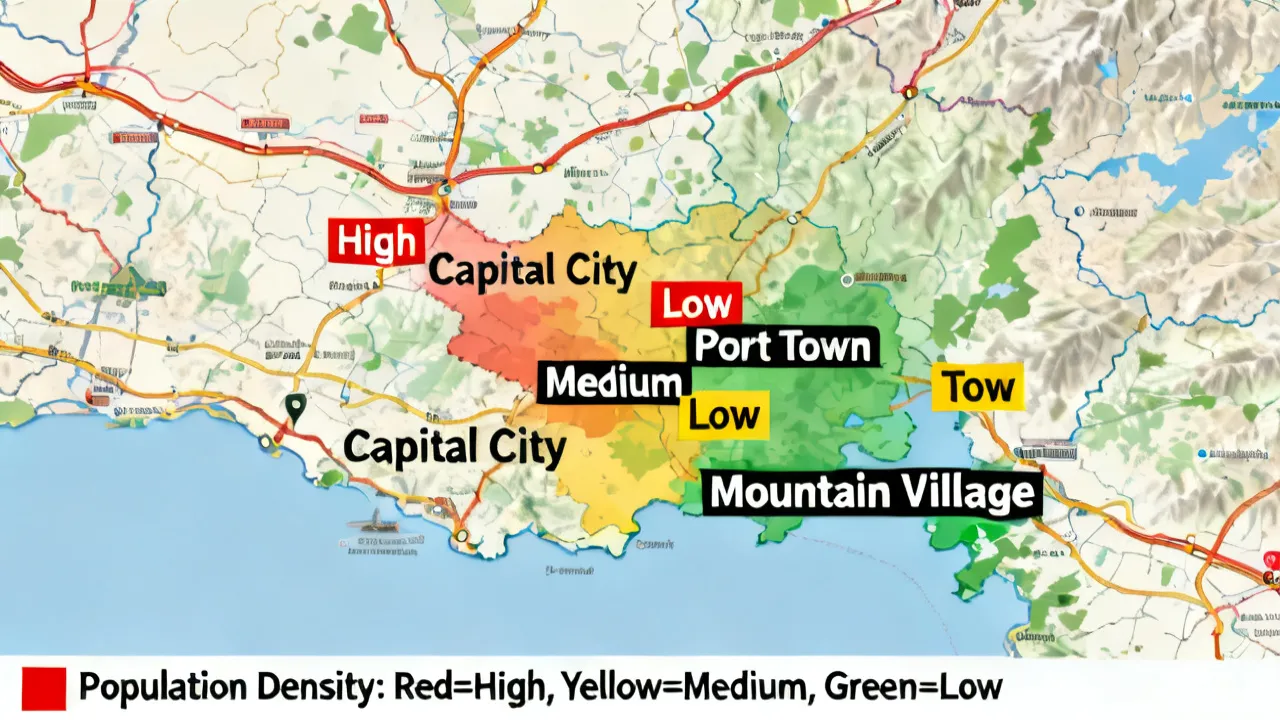
At their core, Nic Maps are designed to convey spatial information with precision. This precision supports a wide array of applications, from government planning initiatives to commercial infrastructure projects. With layers that encompass everything from elevation to land use, these maps provide a comprehensive view of geographic landscapes. Each layer on a Nic Map can represent different information, such as property boundaries, utilities, school districts, and flood zones. By utilizing these layered representations, stakeholders can better assess areas for development and identify potential constraints that might influence the trajectory of a project.
Historical Context and Evolution
Navigational maps have been pivotal tools for centuries, evolving from rudimentary sketches to sophisticated digital maps. The evolution of Nic Maps is a testament to advancements in technology, reflecting a shift towards greater accuracy and accessibility. Traditional paper maps limited real-time updates and were often expensive to produce; however, advancements in cartography have led to digitization that allows for constant updates via crowdsourcing and satellite imaging. As the demand for detailed and interactive geographical data has grown, Nic Maps have adapted by incorporating advanced features, including dynamic layering and real-time data feeds.
Applications of Nic Maps in Various Industries
In urban planning, Nic Maps are invaluable for assessing land development potential and managing resources. They provide a foundation for zoning regulations, helping city planners determine where residential, commercial, and agricultural developments can occur. Engineers and architects rely on them to visualize terrain and predict environmental impacts on construction projects, enabling proactive design and compliance with environmental restrictions. Emergency services use these maps for efficient route planning during crises, ensuring that responses are timely and effective. They can highlight critical infrastructure, such as hospitals and fire stations, and indicate evacuation routes and shelters, enhancing public safety measures. Businesses leverage them for logistics and distribution optimization, mapping out supply chains and identifying ideal locations for new facilities based on demographic data.
The Technology Behind Nic Maps
Modern Nic Maps are powered by Geographic Information Systems (GIS) technology, integrating multiple data sources into a single cohesive map. These maps often include satellite imagery, topography, land use data, and demographic statistics. GIS technology allows users to analyze spatial data with remarkable depth, offering insights that were previously unattainable. For instance, through GIS, users can assess how environmental factors, such as air quality or inclination, could affect community planning decisions, ensuring that urban development meets health and sustainability goals. Furthermore, advancements in cloud computing have enhanced the processing power available for GIS applications, enabling even more complex analyses and multi-user access, significantly boosting collaborative efforts in decision-making processes.
User Accessibility and Interface Features
Accessibility is a key feature of Nic Maps, with multiple platforms supporting both professional and casual users. Desktop applications offer robust data manipulation tools, which include features like data layering, querying capabilities, and advanced analytical tools. For example, users can overlay demographic data with existing infrastructure maps to identify underserved areas that may benefit from new services or facilities. Meanwhile, mobile devices provide on-the-go map accessibility, catering to users who require geographical information in real-time, such as field inspectors or environmental surveyors. With intuitive interfaces, users can customize the map display to focus on relevant data layers, enhancing usability and interaction. This customizable approach fosters an inclusive environment where various stakeholders, from urban planners to community members, can engage meaningfully with the data.
Comparative Analysis of Leading Nic Map Suppliers
| Supplier | Features | Target Users |
|---|---|---|
| Supplier A | Advanced GIS Integration, Regular Updates, Extensive Data Library | Professionals in Urban Planning and Analysis |
| Supplier B | User-Friendly Interface, Real-Time Data, Cloud-based Access | Emergency Services and Logistics |
| Supplier C | Detailed Topographic Layers, Cost-Effective, Ideal for Educational Use | Educational Institutions and Hobbyists |
| Supplier D | Integration with Augmented Reality, Collaborative Features | Real Estate Professionals and Event Planners |
FAQs on Nic Maps
- What distinguishes Nic Maps from other geographic maps?
Nic Maps integrate multiple data sets for a comprehensive geographical overview, emphasizing precision and versatility. Unlike conventional paper maps, Nic Maps can be easily updated and manipulated to provide the latest information relevant to users' specific needs.
- How are Nic Maps used in infrastructure development?
They assist in site analysis, impact prediction, and resource management, which are crucial for successful project execution. Their ability to visualize potential zoning changes can also affect stakeholder engagement, as communities can see the potential implications of upcoming projects.
- Can Nic Maps be customized for specific needs?
Yes, Nic Maps offer customizable layers that allow users to focus on relevant information based on specific project requirements. Users can tailor views to include select features such as flood zones, traffic patterns, or utility lines depending on the objective of their analysis.
- What technological advancements have improved Nic Maps over time?
Recent advancements in GIS technology and data collection methods have greatly enhanced the precision and utility of Nic Maps. Enhanced satellite resolution has improved the accuracy of layers related to land use changes, while machine learning algorithms are aiding in predictive analysis for urban sprawl and resource allocation.
- Are Nic Maps environmentally friendly?
Yes, Nic Maps contribute to environmentally friendly practices by minimizing the need for physical materials, reducing paper waste significantly. Furthermore, they can support sustainable development by providing data that assists in environmental impact assessments and resource conservation efforts.
Conclusion: The Future of Nic Maps
The trajectory of Nic Maps promises further integration with emerging technologies like artificial intelligence and augmented reality. This integration is expected to revolutionize how we perceive and interact with geographical information, paving the way for advanced analytic capabilities and unprecedented user engagement. As Nic Maps evolve, users may benefit from predictive modeling features that allow them to simulate potential outcomes based on a variety of scenarios. Such advancements could not only provide insights for urban planning but also inform responses to climate change by mapping resilient infrastructure. Nic Maps stand at the forefront of this evolution, ready to adapt and expand their impact on various industries.
The Importance of Education and Training in Nic Map Usage
As Nic Maps become increasingly prevalent in various sectors, emphasizing the importance of education and training for users is crucial. Understanding the fundamental principles behind GIS technology, data layering, and map complexities can significantly enhance the usability of Nic Maps. Training programs can target different audiences, from professionals requiring advanced technical skills to general users needing foundational knowledge. Regular workshops and online courses could reinforce competence, helping users to exploit the full potential of Nic Maps for their specific applications. This educational foundation is necessary to foster informed decision-making, ensuring that stakeholders maximize the benefits of Nic Maps while minimizing any potential misuse of geographic data.
Case Studies Illustrating Nic Map Effectiveness
To further understand the impact and efficiency of Nic Maps, several case studies highlight their successful application across different sectors.
Case Study 1: Urban Redevelopment in Greenfield
In Greenfield, a city undergoing significant urban redevelopment, Nic Maps played a critical role in planning. Urban planners used the maps to identify underutilized areas and assess demographics, existing infrastructure, and environmental conditions. The detailed geographic data enabled them to visualize potential growth zones and simulate how certain developments would affect traffic and public services. Furthermore, by engaging with community members with the aid of Nic Maps, planners could address concerns and gather feedback proactively, ensuring that redevelopment aligned with the needs of the population.
Case Study 2: Disaster Management in Coastal Regions
During hurricane season, a coastal city relied on Nic Maps to enhance its disaster management efforts. The emergency services department employed Nic Maps to map flood zones accurately and create effective evacuation routes. The real-time data from the maps enabled responders to adjust their plans based on current weather conditions and demographic distributions. Post-hurricane, Nic Maps were utilized in assessing the impacts of the storm, identifying areas that required swift recovery efforts and infrastructure repairs.
Case Study 3: Agricultural Planning in Rural Areas
Agricultural planners in a rural region implemented Nic Maps to improve crop yields and land use efficiency. By analyzing soil types, elevation, and water levels through Nic Maps, farmers could identify the most suitable areas for certain crops and adjust irrigation tactics accordingly. The resulting increase in yield not only boosted local economies but also demonstrated a significant reduction in resource waste.
The Role of Nic Maps in Policymaking
As policymakers strive to make data-driven decisions, Nic Maps contribute vital geographical information that shapes public policy. By illustrating demographics, socioeconomic trends, and environmental challenges, Nic Maps provide a foundational tool for analysis. For instance, policymakers can utilize Nic Maps to determine areas most affected by poverty, high crime rates, or lack of access to services, directing resources and programs effectively. By constructing evidence-based strategies, policymakers can engage communities better and facilitate collaborative approaches to social issues, education, and public health.
Challenges and Limitations of Nic Maps
Despite their advantages, Nic Maps also face challenges and limitations that must be acknowledged. One concern is the accuracy and currency of the data utilized in creating Nic Maps. Data may become outdated quickly due to urban changes or environmental shifts, necessitating continuous updates and maintenance. Furthermore, the quality of underlying data is crucial; incomplete or erroneous data can lead to misleading conclusions. Additionally, users may encounter a steep learning curve when adapting to map functionalities, particularly for those not familiar with GIS technology. Addressing these challenges will be pivotal for maximizing the utility and reliability of Nic Maps in future applications.
Future Trends in Nic Mapping Technology
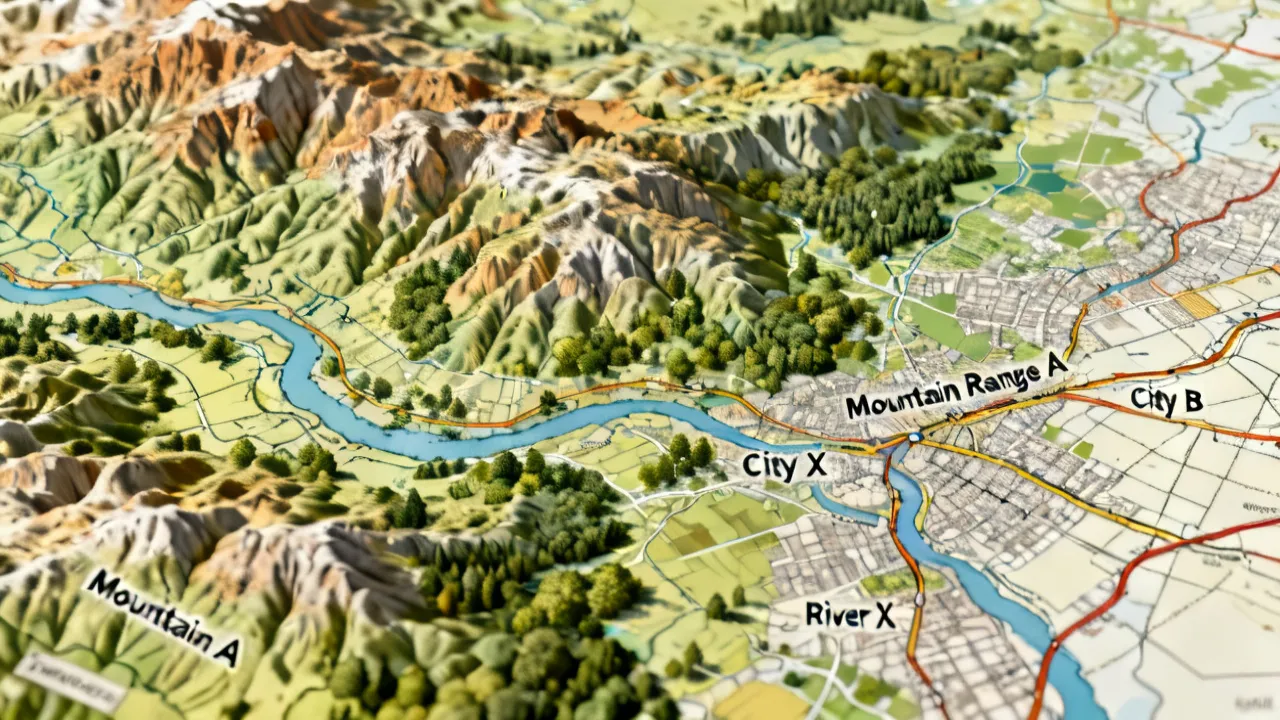
The future of Nic Maps is bright, with several exciting trends on the horizon. One of the most significant trends is the rise of 3D mapping capabilities, enabling users to visualize complex geographical features in a more immersive manner. This technology will enhance applications in urban planning, architecture, and environmental management by providing insights into how proposed developments will integrate with existing landscapes. Additionally, the incorporation of mobile technologies will further democratize access to Nic Maps, allowing broader segments of the community to engage with geographic data. As augmented and virtual reality technologies become more refined, they can be integrated into Nic Maps, offering users interactive experiences that elevate how geographic information is presented and understood.
Collaboration and Community Engagement through Nic Maps
Collaboration among different sectors and community engagement are paramount in leveraging the full capabilities of Nic Maps. Bringing together urban planners, environmentalists, and community stakeholders creates a shared vision for development. Workshops and community forums that utilize Nic Maps can help illustrate complex issues and engage residents in discussions about planning decisions that impact their lives. By fostering a collaborative environment through digital mapping, stakeholders can work towards sustainable and inclusive development practices that reflect community needs and desires.
Conclusion: The Transformative Power of Nic Maps
As we look to the future, the transformative power of Nic Maps will continue to play a significant role across diverse industries. By streamlining decision-making processes and fostering a better understanding of geographical data, Nic Maps empower both professionals and the public to engage with information more meaningfully. The integration of emerging technologies promises to expand the scope and functionality of Nic Maps, making them an essential resource for anyone looking to navigate the complexities of our changing world. In conclusion, as the field of geographic information continues to evolve, the potential for Nic Maps to drive innovation, sustainability, and community engagement is indeed limitless.