Understanding ISO 9001 Certification
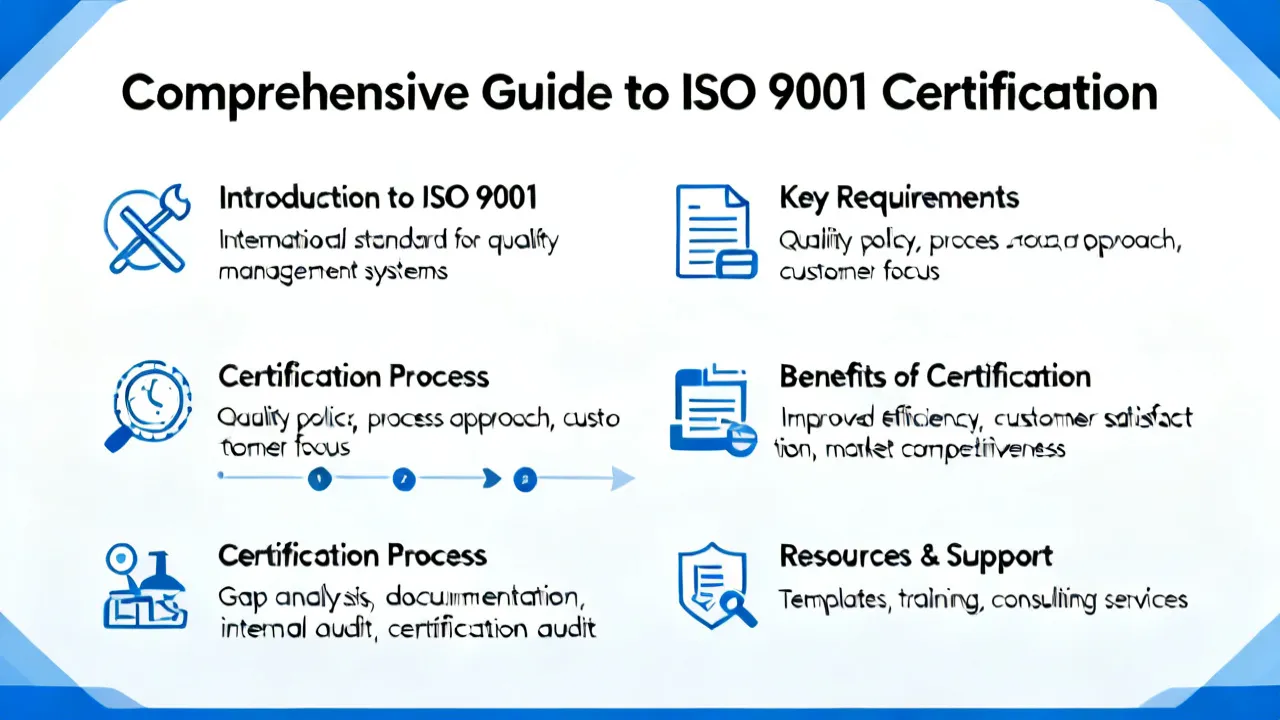
ISO 9001 is an internationally recognized standard for quality management systems. It provides a framework that organizations can use to ensure they meet customer and regulatory requirements while continually improving. This guide explores ISO 9001's principles, its benefits, the certification process, and frequently asked questions to help businesses navigate quality management effectively.
Introduction to ISO 9001
ISO 9001 is a part of the ISO 9000 family of standards related to quality management systems and is designed to help organizations ensure that they meet the needs of customers and other stakeholders while meeting statutory and regulatory requirements related to a product or service. Certified organizations enjoy enhanced credibility, improved operational efficiency, and increased customer satisfaction. The ISO 9001 standard is widely recognized and used across various industries globally, asserting its role as a cornerstone for quality assurance and systematic process improvement.
The standard was first published in 1987 and has undergone several revisions to improve its applicability and relevance in fostering effective quality management. The latest version, ISO 9001:2015, emphasizes a risk-based approach, recognizing that organizations must understand the risks and opportunities related to their quality management systems and operational contexts. This evolution reflects feedback from quality professionals and organizations on how best to maintain the standard's effectiveness in rapidly changing business environments.
Key Principles of ISO 9001
- Customer Focus: Understanding and meeting customer requirements is paramount. Organizations must actively seek to understand customer needs and enhance customer satisfaction through effective service delivery and product quality.
- Leadership: Strong leadership establishes unity and purpose direction. Top management should demonstrate commitment to the development and implementation of the QMS, aligning objectives with the organizational strategy and fostering an environment that encourages staff engagement.
- Engagement of People: Valuing staff members promotes involvement and innovation. Employee participation at all levels is fundamental, ensuring that everyone within the organization contributes towards improving processes, enhancing customer satisfaction, and achieving strategic objectives.
- Process Approach: Managing activities as processes enhances efficiency. Organizations should use a systematic approach to achieve desired results more effectively, ensuring that each process is monitored, measured, and continually improved.
- Improvement: Continual improvement is a perpetual objective. Organizations need to focus on improving performance in all areas, thus enabling long-term success while remaining competitive in their respective markets.
- Evidence-Based Decision Making: Decisions should be based on analysis of data. Organizations that use accurate data to inform their decisions are better positioned to implement improvements and meet customer expectations.
- Relationship Management: Managing relationships with stakeholders contributes to sustained success. An organization should foster relationships with all stakeholders, including suppliers, to cultivate mutual benefits and build a strong foundation for collaborative success.
Benefits of ISO 9001 Certification
Obtaining ISO 9001 certification brings numerous advantages, including:
- Improved product quality and customer satisfaction, leading to repeat business and enhanced reputation.
- Increased operational efficiency and reduced waste, enabling organizations to deliver more value with less resource expenditure.
- Enhanced marketability and competitive advantage, as customers often prefer certified suppliers over non-certified businesses.
- Strong foundations for continuous improvement initiatives that drive growth and innovation in products and services.
- Ability to identify risks and opportunities through a structured framework, empowering organizations to be proactive rather than reactive.
The ripple effects of achieving ISO 9001 certification go beyond immediate organizational benefits, influencing client relations and partnerships, as companies with certified management systems often find it easier to forge alliances with other businesses eager to work with reputable firms.
The ISO 9001 Certification Process
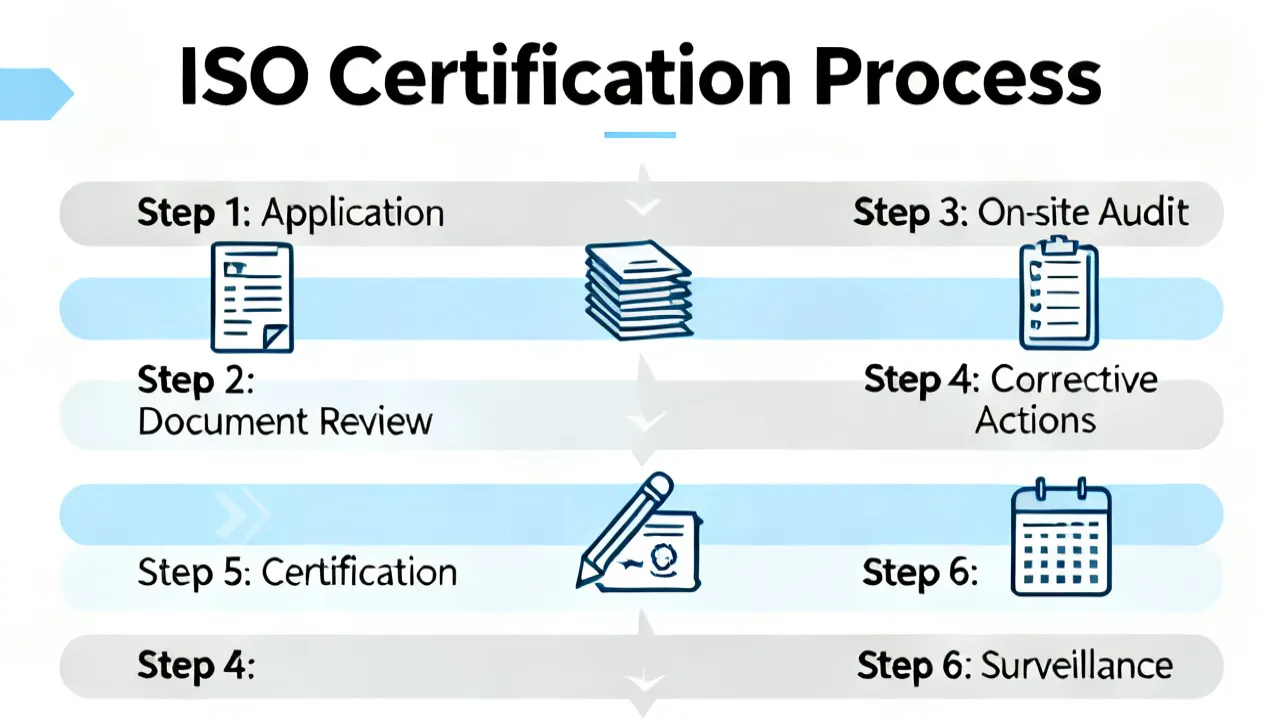
Getting ISO 9001 certified involves several crucial steps:
- Gap Analysis: Assess current processes against ISO 9001 standards to identify discrepancies. A thorough understanding of existing practices and how they align (or don’t) with ISO 9001 can help highlight areas for improvement.
- Implementation: Address gaps by updating processes, documentation, and training staff. This phase may involve redefining roles and responsibilities within the organization and providing more resources to ensure every employee understands how their role relates to the QMS.
- Internal Audit: Conduct an internal audit to ensure the system aligns with ISO 9001 requirements. Internal audits should be scheduled to test the robustness of the QMS and identify non-conformities before the certification audit.
- Certification Audit: An external certifying body audits the QMS for compliance. This audit assesses the effectiveness of the QMS and checks the company’s adherence to ISO standards. Successful completion of this audit results in obtaining ISO 9001 certification.
- Continual Improvement: Regular reviews and improvements to maintain compliance and efficiency. After certification, organizations must maintain the established system and strive for further improvements through regular performance evaluations and audits.
FAQs
What is ISO 9001?
ISO 9001 is an international standard that specifies requirements for a quality management system (QMS). It aims to demonstrate the ability of an organization to consistently provide products and services that meet customer and regulatory requirements. The principles embedded in ISO 9001 provide a basis for companies to improve their overall performance.
Why should a business become ISO 9001 certified?
Certification signifies to customers, partners, and stakeholders that a business is committed to quality and continual improvement, enhancing credibility and opening up new market opportunities. It also benefits organizations by improving operational efficiency, reducing costs, and ensuring regulatory compliance—all critical factors in today’s competitive landscape.
How long does it take to become ISO 9001 certified?
The time varies depending on the organization's complexity and readiness. Small businesses might take four to six months, while larger organizations could take a year or more, depending on their existing systems and resources. The commitment from top management also plays a vital role in the timeline, as leadership support can significantly expedite the process of achieving certification.
Are there ongoing requirements after certification?
Yes, ISO 9001 certification is not a one-time event but a commitment to ongoing quality management and improvement. Organizations must conduct regular internal audits, participate in management reviews, and engage in continual training and improvement initiatives to maintain their certification status. This ensures that they are not only compliant but also progressively enhancing their quality management practices.
Common Challenges and Solutions
Organizations aiming for ISO 9001 certification may face various challenges such as resistance to change, inadequate resources, or lack of training. Below is a deeper exploration of some common challenges, along with strategic solutions:
Resistance to Change
One of the most significant hurdles organizations encounter is employees’ resistance to new processes and system implementations. Often, this reluctance stems from a fear of the unknown or a perceived threat to job security. Effective change management strategies, which include clear communication regarding the benefits of the new QMS, can help alleviate fears. Engaging employees in the planning and implementation process helps foster a sense of ownership and reduces resistance.
Inadequate Resources
Implementing ISO 9001 often demands resources that organizations may feel they cannot spare. It is crucial for management to allocate sufficient human, financial, and technological resources to ensure a successful transition to ISO standards. Developing a phased implementation plan can also spread resource demands over time, making the process more manageable.
Lack of Training
A common issue in ISO certification processes is insufficient training, which can lead to misunderstandings and poor implementation of the new quality management system. Companies should invest in comprehensive training programs that encompass all levels of staff, ensuring everyone understands their role within the QMS. This effort will not only enhance compliance but also encourage an organizational culture of quality.
Maintaining Documentation
ISO 9001 places a strong emphasis on documentation and record-keeping. Maintaining accurate records can pose a challenge, particularly for organizations that have not previously prioritized documentation. Implementing a document control system that specifies who is responsible for maintaining various forms of documentation can alleviate this burden, ensuring consistency and compliance over time.
Leveraging Technology for ISO 9001 Compliance
With the advancement of technology, businesses have started leveraging software solutions specifically designed to assist in achieving and maintaining ISO 9001 certification. Here are some ways technology can enhance ISO 9001 initiatives:
Quality Management Software
Quality Management Software (QMS) allows organizations to automate their processes, manage documentation more effectively, track non-conformities, and gather data for continual improvement initiatives. By implementing a robust QMS, businesses can significantly reduce the time spent on manual processes, improving efficiency and accuracy in adherence to ISO 9001 standards.
Data Analytics
Data analytics tools enable organizations to analyze performance data more effectively. By harnessing analytical capabilities, companies can make more informed decisions regarding their processes and quality management approaches. This evidence-based decision-making aligns with ISO 9001’s emphasis on data-driven strategies for improvement.
Cloud Storage Solutions
Using cloud storage for documentation can aid compliance by ensuring that all necessary documents are up-to-date and accessible to relevant stakeholders. Cloud-based systems facilitate real-time updates and modifications, minimizing the risks associated with outdated or misplaced documents, thus enhancing overall quality management.
Future of ISO 9001
As markets and technologies evolve, the ISO 9001 standard is expected to adapt to meet new challenges. Emerging trends indicate a growing emphasis on sustainability and environmental concerns in business practices, which may influence future ISO revisions. Organizations are increasingly seeking ways to not only fulfill quality standards but also integrate sustainability into their operational frameworks.
Moreover, the global landscape of business is shifting toward digital transformation, making integration with other management systems, such as ISO 45001 for occupational health and safety and ISO 14001 for environmental management, more relevant. Businesses can achieve this integration to streamline processes and enhance efficiency, ultimately leading to better customer satisfaction.
Conclusion
ISO 9001 certification offers a roadmap for organizations to improve their processes and outcomes systematically, effectively catering to customer needs. Businesses that achieve certification demonstrate a commitment to quality and continuous improvement, thus gaining an edge in competitive markets. In a rapidly changing world, where quality, efficiency, and sustainability are more critical than ever, ISO 9001 stands as a vital standard that helps organizations navigate towards success and long-term viability.
The Importance of Continuous Development
Continuous professional development and training are essential components of maintaining ISO 9001 certification. The regulatory landscape and customer expectations are continually evolving, which means that organizations must also adapt. This ongoing commitment ensures that staff remains informed about the latest quality management trends, tools, and methodologies, enhancing the organization's ability to innovate.
Furthermore, fostering a culture where employees are encouraged to pursue additional certifications or attend workshops can significantly elevate the overall competency of the workforce. This approach not only prepares the organization for future challenges but also empowers employees, making them feel valued and invested in the success of the organization.
In summary, achieving and maintaining ISO 9001 certification is a dynamic journey. Organizations must engage in continuous improvement and actively seek out new knowledge and practices to stay relevant and effective in serving their customers and stakeholders. As they do so, they will not only comply with ISO 9001 standards but also position themselves as leaders in quality management across their industries.
| Aspect | Description |
|---|---|
| Customer Focus | Efforts are directed at understanding and meeting customer needs for satisfaction. |
| Process Approach | Managing work activities as processes ensures consistency and improved results. |
| Continual Improvement | Ongoing efforts to enhance all aspects of the organization. |
| Leadership | Leaders create a cascade of unity of purpose and strategic direction. |