Understanding ISO 9001 Certification
ISO 9001 certification signifies a company's commitment to quality management standards. Key to ensuring consistent product and service quality, this international standard helps organizations enhance customer satisfaction through efficient processes. Implementing ISO 9001 involves a comprehensive framework for quality management, contributing to operational excellence and competitive growth across various industries.
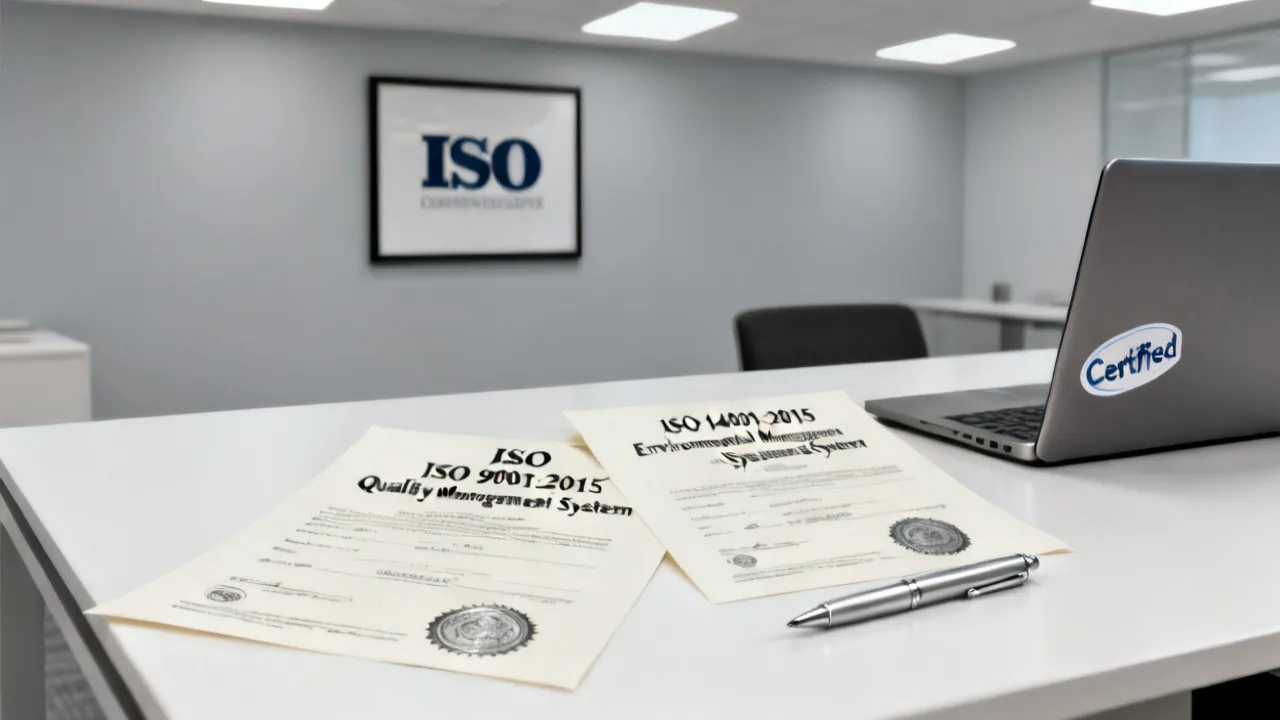
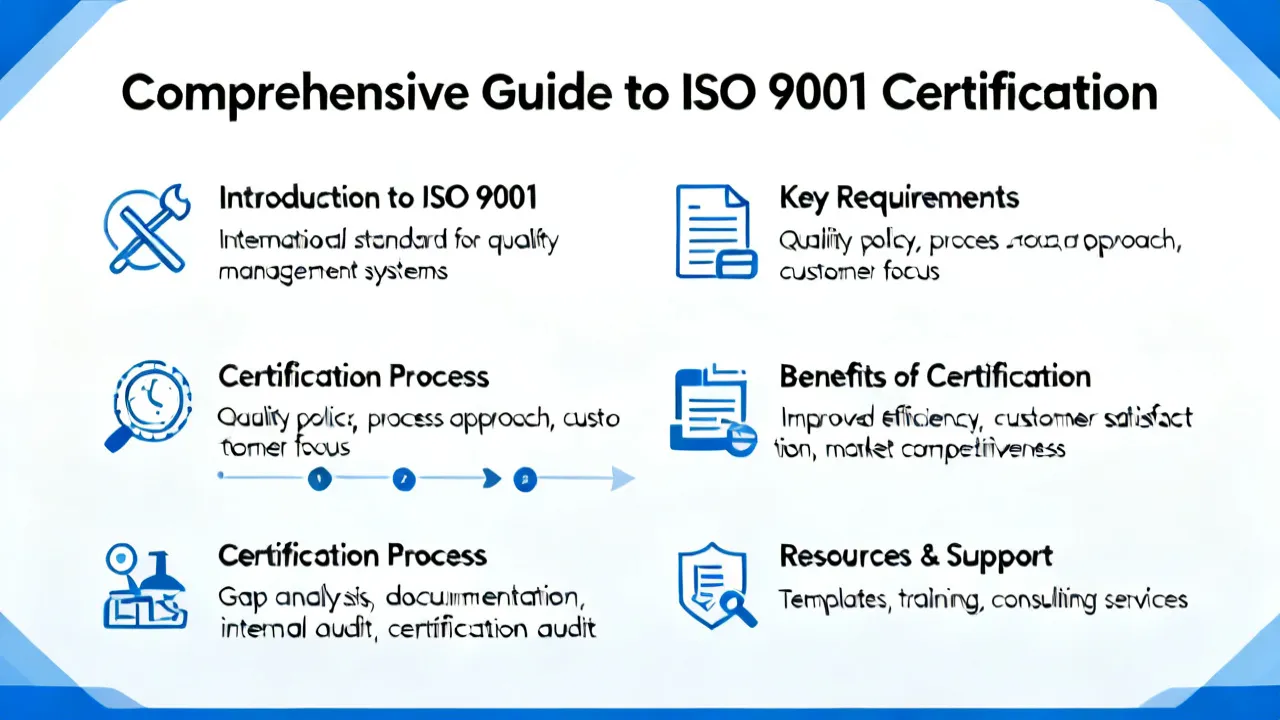
Introduction to ISO 9001
ISO 9001 certification is an internationally recognized standard for quality management systems (QMS). It provides a framework to ensure consistent quality in products and services, ultimately enhancing customer satisfaction and streamlining operations. Companies across diverse sectors seek ISO 9001 accreditation to demonstrate their commitment to quality management principles. The standard was first published in 1987 and has undergone several revisions, with the latest being ISO 9001:2015. This revision has made it more flexible to implement by organizations, regardless of their size or industry.
The importance of ISO 9001 extends beyond just compliance; it has become a significant factor in business strategy. With globalization and increased competition, organizations must establish their credibility in the marketplace. ISO 9001 certification not only helps businesses achieve a higher standard of quality but also enhances their brand reputation and can open doors to new markets. It signals to customers that a company is dedicated to maintaining a high level of quality in its products and services, leading to increased trust and reliability among consumers.
The Benefits of ISO 9001 Certification
- Enhanced Customer Satisfaction: By aligning processes with ISO 9001 standards, organizations improve their ability to meet customer needs, which enhances satisfaction and loyalty. It establishes a customer-focused framework that necessitates identifying customer requirements and expectations, thus enabling proactive responses to customer feedback.
- Operational Efficiency: The ISO 9001 framework encourages systematic process improvements, leading to increased efficiency and reduced waste. Organizations adopting this standard often find that they can streamline operations, reduce rework, and improve resource management, which directly affects their bottom line.
- Market Advantage: Certification sets companies apart from competitors, providing a competitive edge in acquiring new business opportunities. It shows commitment to quality and continuous improvement, which can significantly influence purchasing decisions made by customers and clients.
- Risk Management: By promoting a standard approach to process management, ISO 9001 helps identify and mitigate potential risks early. This proactive stance toward managing risks ensures that organizations can navigate uncertainties effectively and maintain a steady operational flow.
- Employee Engagement: Implementing ISO 9001 not only improves the organization but also increases employee involvement and morale. Engaged employees who understand quality processes are empowered to contribute to continuous improvement, creating a culture of quality within the organization.
- Increased Profits: While initial costs may be associated with achieving compliance and certification, the long-term financial benefits typically outweigh these costs due to enhanced efficiency, reduced errors, and increased customer retention.
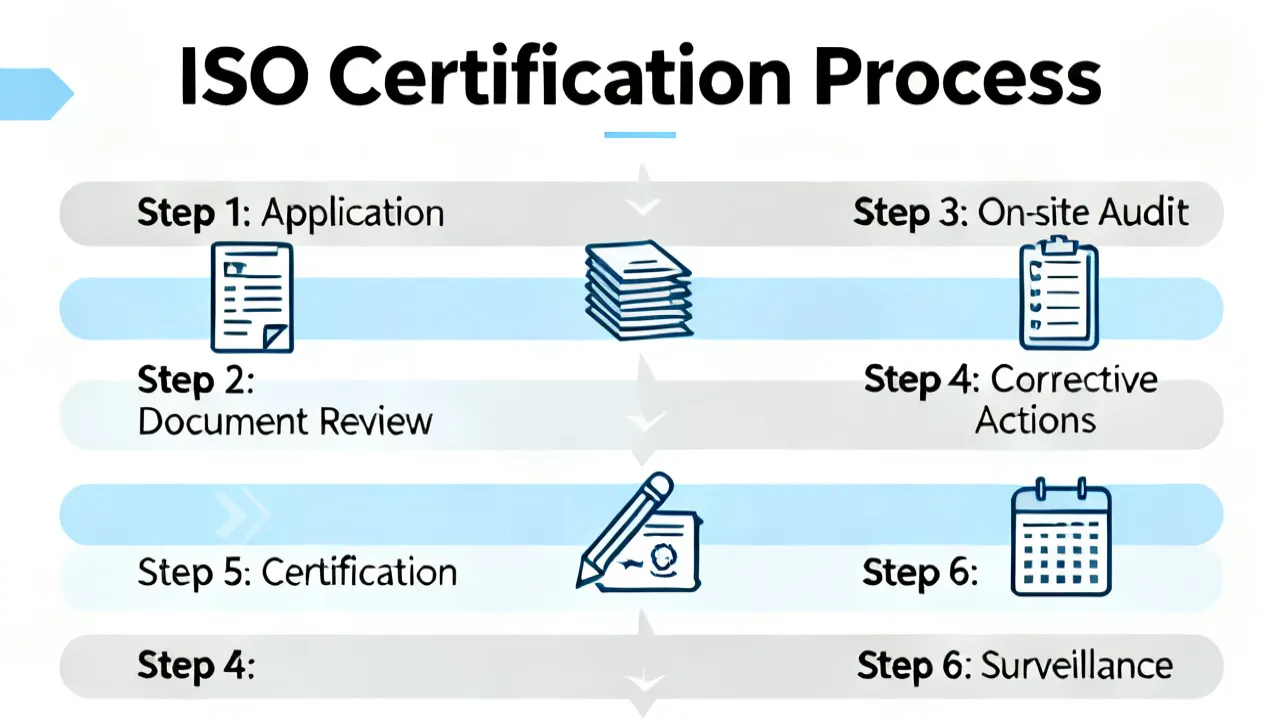
Steps to Gain ISO 9001 Certification
- Familiarize with ISO 9001 Requirements: Understand the specific requirements and clauses outlined in the ISO 9001 standard. Organizations should also assess industry-specific aspects and how they relate to the QMS.
- Perform a Gap Analysis: Assess existing processes against the ISO 9001 requirements to identify areas for improvement. Use tools such as SWOT analysis (Strengths, Weaknesses, Opportunities, Threats) to get a comprehensive view of your company's current quality status.
- Develop an Implementation Plan: Create a detailed plan addressing identified gaps, assigning responsibilities, and setting timelines. This plan should include training objectives, resource allocation, and risk assessment strategies.
- Implement the QMS: Put the plan into action, ensuring all stakeholders understand and adhere to new processes and procedures. Communication and training are key at this stage to align all team members with the organization’s quality objectives.
- Conduct an Internal Audit: Perform an internal audit to evaluate the effectiveness of the implemented QMS before the external certification audit. This helps identify any remaining gaps or areas needing improvement, allowing for corrective actions to be taken.
- Select a Certification Body: Choose an accredited certification body to conduct the external audit and validate compliance with ISO 9001 standards. It's important to select a reputable body that aligns with your industry to ensure credibility.
- Continuous Improvement: Post-certification, continually monitor and improve processes to maintain quality standards and recertification. Engage employees in ongoing training and conduct regular reviews of the QMS to keep it relevant and effective.
Key Elements of the ISO 9001 Standard
| Clause | Description |
|---|---|
| Context of the Organization | Understanding internal and external factors affecting the QMS. This involves identifying stakeholders and their requirements, ensuring that the QMS aligns with the strategic direction of the organization. |
| Leadership | Ensuring top management commitment and establishing quality policy and objectives. Leaders are tasked with fostering a culture of quality across the organization and providing necessary resources for effective QMS implementation. |
| Planning | Addressing risks and opportunities and setting quality objectives. A robust planning process identifies all potential risks to achieving quality objectives and outlines strategies to mitigate them, ensuring the QMS can adapt to changes in the business environment. |
| Support | Ensuring adequate resources, communication, and documentation. This includes securing necessary resources, providing training, facilitating effective communication throughout the organization, and ensuring proper documentation and record-keeping. |
| Operation | Managing processes ensuring product/service requirements are met. This involves the implementation and monitoring of processes to ensure compliance and the efficient delivery of products and services that meet quality standards. |
| Performance Evaluation | Monitoring, measuring, and analyzing QMS performance. Organizations must regularly assess their QMS effectiveness through audits, management reviews, and performance analysis to ensure continual improvement. |
| Improvement | Enhancing QMS to improve quality over time. Organizations are encouraged to identify opportunities for improvement as part of a continuous improvement cycle, encouraging innovation and adaptability within the QMS. |
FAQs
- What Industries Benefit from ISO 9001? Nearly every industry, including manufacturing, healthcare, technology, education, and services, can benefit from implementing ISO 9001 standards. It provides a universal language for quality management, making it adaptable across various sectors.
- How Long Does it Take to Become ISO 9001 Certified? The timeline varies depending on the organization's size and complexity but generally ranges from several months to a year. Smaller organizations may achieve certification more quickly, while larger enterprises may require more extensive training and development of processes.
- Is ISO 9001 Certification Mandatory? While not legally required, ISO 9001 certification enhances credibility and is often a customer or contractual mandate. Many businesses view it as essential to foster trust with their clients and partners, especially in highly regulated industries.
- Can Small Businesses Get ISO 9001 Certified? Yes, ISO 9001 is scalable and can be tailored to the size and needs of any organization. Small businesses can leverage the principles of ISO 9001 to develop effective quality management strategies without overwhelming operational capacity.
- What are the costs involved in obtaining ISO 9001 certification? The costs associated with obtaining ISO 9001 certification can vary widely based on several factors, including the size of the organization, training needs, and whether the organization hires a consultant to assist with implementation. Organizations should consider both direct costs (such as certification fees) and indirect costs (such as lost productivity during implementation) when calculating overall expenditure.
Conclusion
ISO 9001 serves as a pivotal tool for organizations prioritizing quality management and operational excellence. By adopting ISO 9001 standards, companies can significantly enhance their internal processes, customer satisfaction, and market position, thereby fostering sustainable growth. The journey to ISO 9001 certification is not just about compliance with a set of standards but about embedding a culture of quality and continuous improvement within the organization.
The focus on quality management helps organizations to better meet customer expectations, which ultimately leads to improved business performance. As markets continue to evolve due to technological advancements and changing consumer preferences, organizations must stay ahead by continuously refining their QMS and ensuring they meet the latest ISO standards. This commitment to continuous quality improvement will not only benefit the organization but will also provide long-term advantages to customers and stakeholders alike.
Furthermore, organizations are encouraged to utilize tools such as Six Sigma or Lean management principles alongside ISO 9001. These methodologies can complement the ISO framework, further enhancing process efficiency, reducing waste, and improving product quality. The holistic integration of these practices creates a robust quality management system that can drive significant value across the organization.
Finally, in an increasingly interconnected world, the value of ISO 9001 certification cannot be overstated. As businesses expand globally, the need for standardized quality management systems becomes crucial. ISO 9001 acts as a common framework that facilitates international trade and cooperation, fostering a culture of quality and excellence across borders. This not only enhances the competitiveness of individual companies but also contributes to raising standards across entire industries.