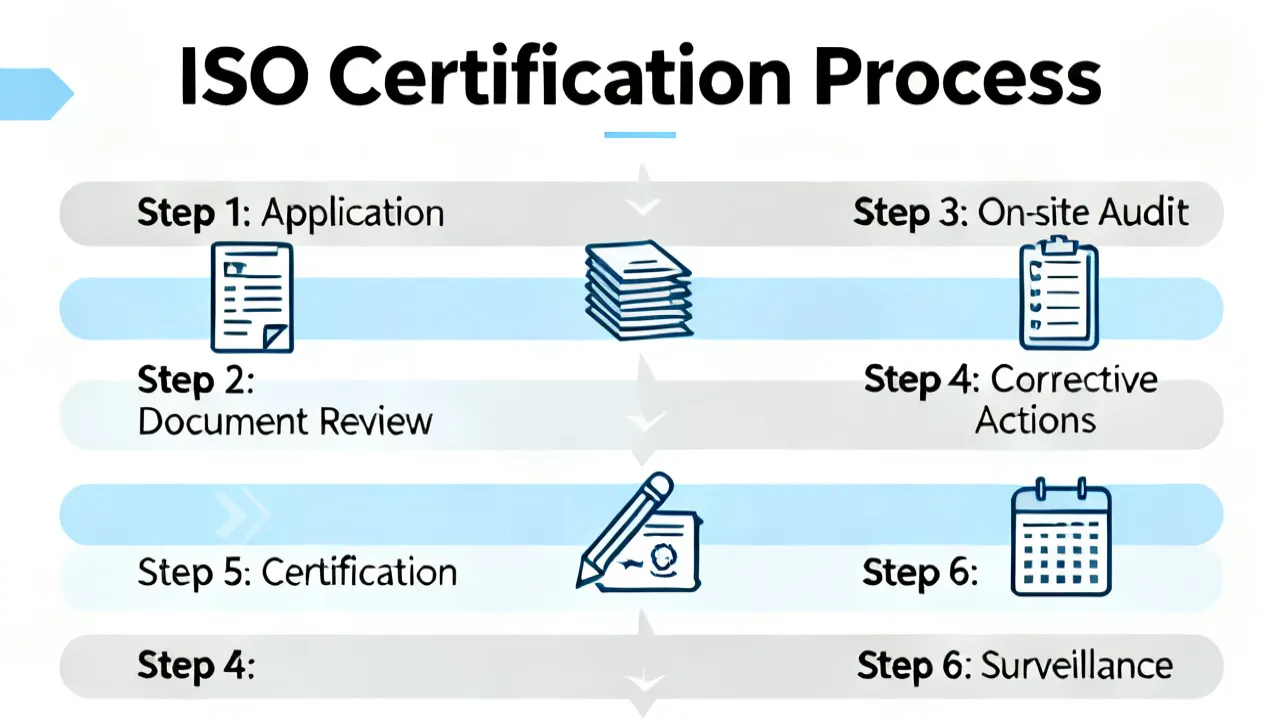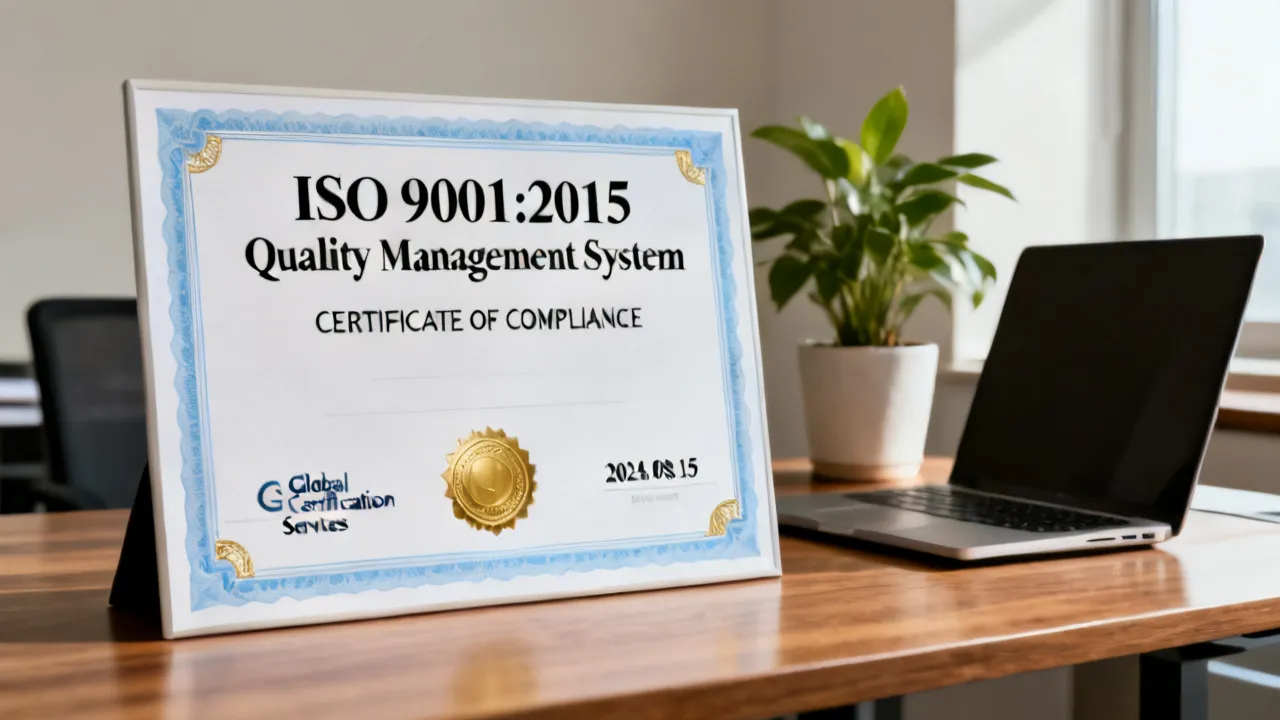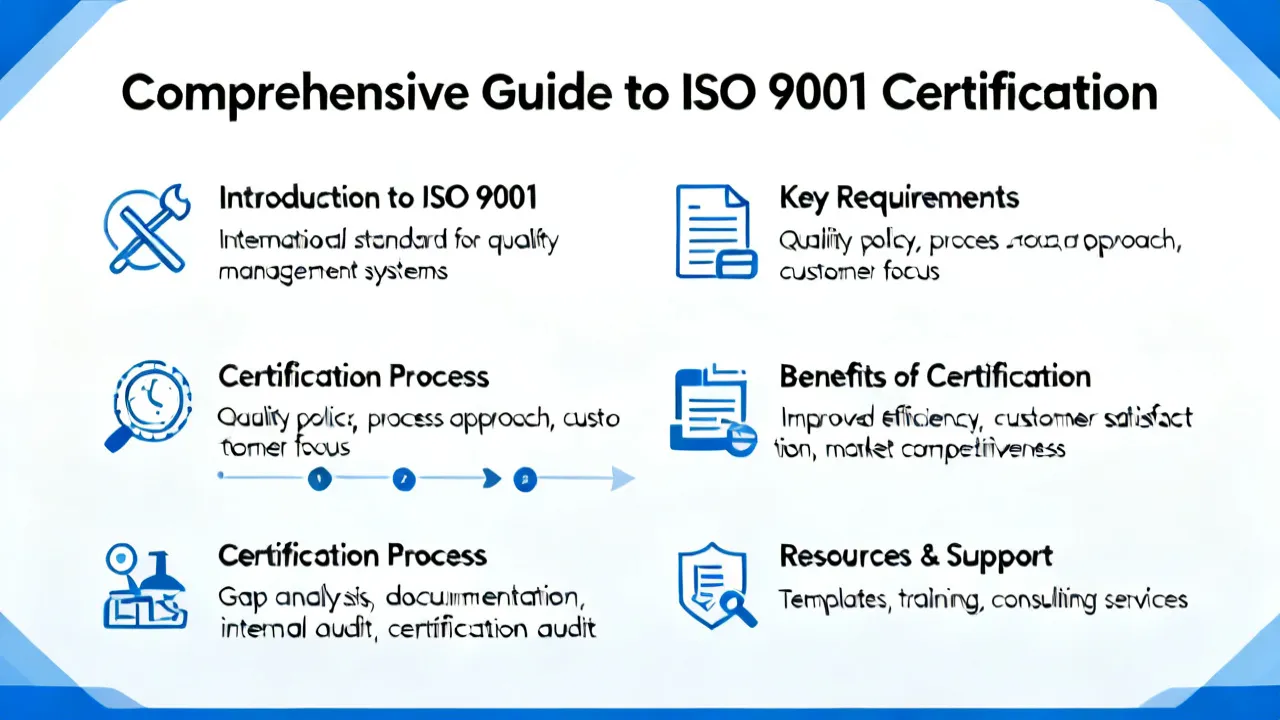
Understanding the 9001 ISO Certification
The 9001 ISO certification is a globally recognized standard for quality management systems. It is designed to help organizations ensure they meet the needs of customers and other stakeholders while adhering to statutory and regulatory requirements. Obtaining this certification requires a thorough understanding of the standards and a commitment to continuous improvement within the organization.
Introduction to 9001 ISO Certification
The 9001 ISO certification is a hallmark of quality and efficiency in business operations, ensuring that processes meet the highest international standards. This certification is crucial for businesses aiming to improve their management systems, increase operational efficiency, and enhance customer satisfaction. The ISO 9001 standard mainly outlines a framework through which organizations can demonstrate their ability to consistently provide products and services that meet customer and regulatory requirements.
Originally developed by the International Organization for Standardization, ISO 9001 provides a framework for a systematic approach to managing business processes. This framework comprises several principles that form the bedrock of effective quality management, including a strong focus on customer satisfaction, the involvement of top management, a process approach, and a commitment to continuous improvement. It’s applicable to any organization, regardless of size or industry, making it a versatile tool for companies worldwide. This universality means that businesses in diverse sectors—from manufacturing to services—can apply the principles of ISO 9001 to achieve operational excellence.
The Core Benefits of ISO 9001
- Enhanced Customer Satisfaction: With a focus on meeting customer requirements and continuous improvement, businesses can expect improved customer retention. Satisfied customers are more likely to become repeat customers, and they often promote brand loyalty by recommending the products or services to others.
- Improved Operational Efficiency: Standardized processes lead to fewer errors and increased productivity, contributing to better overall performance. When employees understand the processes, they can execute them more effectively, which reduces waste and saves time.
- Access to New Markets: Being ISO 9001 certified can open doors to new opportunities, as it is recognized globally and often required by international clients. Many companies require their suppliers to be ISO certified, and having this certification can enhance your competitive advantage.
- Risk Management: The framework helps organizations identify and manage risks proactively, reducing potential disruptions. By anticipating issues and having established protocols in place, businesses can minimize potential setbacks both financially and operationally.
Implementing 9001 ISO in Your Organization
Implementing ISO 9001 requires a commitment to quality changes and a well-structured plan. Here’s a step-by-step guide to help you navigate the process:
- Gap Analysis: Evaluate current processes against ISO 9001 standards to identify areas for improvement. This step involves a thorough review of existing management practices, customer feedback, and documentation to determine the organization's current state concerning ISO requirements.
- Develop a Plan: Create a detailed plan to address identified gaps, involving necessary stakeholders to ensure comprehensive coverage. The plan should include specific goals, timelines, and objectives that are clear and attainable.
- Training: Educate employees about ISO 9001 standards and their roles in meeting these requirements to gain workforce buy-in. Training sessions should be tailored to different levels of staff and departments to ensure that everyone understands their contributions to the quality management system.
- Documentation: Develop and maintain proper documentation for processes, ensuring compliance and facilitating future audits. Documentation must be clear, accessible, and updated regularly to reflect any changes in processes.
- Implementation: Roll out the changes steadily, monitor their effectiveness, and adjust as necessary. This involves piloting new processes within certain departments or levels, gathering performance feedback, and making refinements based on empirical data.
- Internal Audit: Conduct periodic audits to ensure ongoing compliance and identify further areas for improvement. Internal audits are essential as they not only evaluate adherence to the ISO standards but also highlight areas where the organization can innovate or strengthen its practices.
Cost Considerations and Supplier Selection
When venturing into ISO 9001 certification, cost is a significant factor. Costs can vary depending on the size of the organization, complexity of processes, and geographical location of operations. Working with a reputable consultant or auditor can optimize these costs by providing expertise and ensuring a successful certification process. It is imperative to create a budget that encompasses all potential costs, from consultancy fees to employee training and documentation management.
When selecting a supplier or consultant, consider their experience, credentialing, and previous client reviews. It is wise to choose a provider that has a proven track record with businesses similar to yours or those in your industry. In addition, transparency in pricing and the scope of support offered throughout the certification process is vital. Suppliers who can articulate the benefits and limitations of their services will foster trust and facilitate a smoother certification journey.
Conditions and Requirements for ISO 9001 Certification
| Condition | Requirement |
|---|---|
| Top Management Commitment | Leadership must be committed to supporting quality management initiatives and resource allocation. The active involvement of top management is crucial for aligning the organization’s strategic direction with its quality management objectives, driving a culture of quality from the top down. |
| Process Approach | Develop a process-based approach that focuses on consistent quality outcomes. Organizations should identify and manage interrelated processes as a system to improve the overall effectiveness and efficiency of the organization. |
| Customer Focus | Understand customer needs and work towards exceeding their expectations. This includes collecting customer feedback, analyzing complaints, and continually refining offerings to enhance customer satisfaction. |
| Performance Evaluation | Regularly measure and analyze process performance to foster continual improvement. Using key performance indicators (KPIs) to gauge success allows firms to track performance against set standards and objectives systematically. |
FAQs
What industries benefit from ISO 9001 certification?
ISO 9001 is applicable across various industries, including manufacturing, service, healthcare, education, and technology, among others, due to its flexible framework. This versatility makes it a valuable asset for organizations committed to quality management and customer satisfaction.
How long does it take to get ISO 9001 certified?
The duration varies based on an organization’s size and current compliance with standards; it typically ranges from several months to a year. Small enterprises or those with simpler processes may achieve certification more quickly than larger corporations with complex operations needing extensive revisions.
Can ISO 9001 certification enhance company reputation?
Yes, achieving this certification can boost a company’s reputation by demonstrating a commitment to quality and continuous improvement. Organizations recognized for their adherence to ISO 9001 standards often find that customers are more willing to engage in business relationships due to the inherent trust associated with this certification.
Is ISO 9001 certification mandatory?
No, ISO 9001 certification is not legally required; however, many organizations choose to pursue it voluntarily to enhance their operations and competitive positioning. It is often essential for businesses that work with governmental organizations or large multinationals that require their partners and suppliers to meet specific quality standards.
What are the main components of an ISO 9001 quality management system?
An ISO 9001 quality management system comprises several key components, including policy formulation, objectives setting, resource allocation, process mapping, performance evaluations, and ongoing improvements. Each component interacts with others to uphold the integrity of the quality management system.
What role does employee engagement play in maintaining ISO 9001 standards?
Employee engagement is integral to the success of ISO 9001 standards because it fosters a culture of quality and ensures that everyone in the organization understands their role in the quality management system. Engaged employees are more likely to proactively identify improvement opportunities and adhere to established procedures, thus enhancing compliance and operational performance.
How often should an organization re-evaluate its ISO 9001 practices?
Organizations should re-evaluate their ISO 9001 practices regularly as part of their commitment to continuous improvement. Scheduled reviews typically occur annually, aligning with internal audit schedules, but informal assessments can take place more frequently to ensure that processes remain efficient and relevant. Changes in the industry, regulatory requirements, or shifts in customer expectations can prompt a re-assessment at any time.
In conclusion, the 9001 ISO certification offers numerous benefits that extend beyond simple compliance. It is a strategic asset that can enhance the performance and credibility of an organization, paving the way for improved customer satisfaction and access to global markets. Organizations that engage in this process not only adhere to international standards but also commit to a culture of ongoing improvement. By integrating these practices into their core operations, businesses can create sustainable growth pathways while ensuring that they not only meet but exceed customer expectations consistently.
Challenges in Achieving ISO 9001 Certification
While the process of obtaining ISO 9001 certification is highly beneficial, it does come with its own set of challenges. Understanding these hurdles can prepare organizations to better plan and execute their certification journey. Some common challenges include:
- Resistance to Change: One of the most significant hurdles organizations face is overcoming resistance from employees who may feel threatened by new processes or extra workloads. Effective communication about the benefits of ISO 9001 and involving staff in the transition can alleviate this resistance.
- Complex Documentation Requirements: ISO 9001 requires comprehensive documentation of processes, which can be daunting. Organizations often struggle to understand what documentation is necessary and how to maintain it efficiently. Investing in digital documentation management solutions can streamline this process.
- Maintaining Compliance: After certification, maintaining compliance with ISO 9001 standards can be challenging. Regular internal audits and hiring a dedicated quality manager can help ensure ongoing adherence to the set standards.
- Resource Allocation: Implementing an ISO 9001 system often requires significant resources—time, personnel, and finances. Organizations need to allocate these resources effectively without impacting day-to-day operations.
The Role of Technology in ISO 9001 Compliance
As technology continues to evolve, it plays an increasingly vital role in helping organizations comply with ISO 9001 standards. Utilizing technology can assist in various aspects of the ISO 9001 implementation and maintenance processes, including:
- Digital Quality Management Systems (QMS): These systems automate many aspects of quality management. They provide templates for documentation, tools for conducting audits, and data collection capabilities to monitor performance metrics more effectively than traditional methods.
- Data Analytics: Leveraging data analytics can promote fact-based decision-making within the organization. By analyzing performance metrics and customer feedback, organizations can identify trends, strengths, and weaknesses in their processes that require attention.
- Remote Collaboration Tools: With the rise of remote working arrangements, collaboration tools enable teams to review processes and documentation more flexibly. These tools facilitate communication and engagement across different teams and locations, ensuring everyone stays aligned on quality initiatives.
- Training Platforms: Online training programs can increase accessibility and employee engagement in ISO 9001 training. These platforms often provide interactive content that fosters a deeper understanding of quality management principles.
Conclusion
Embarking on the journey towards ISO 9001 certification represents a commitment to quality, customer satisfaction, and operational excellence. While the process can be challenging, the benefits far outweigh the efforts involved. From improved organizational performance to enhanced marketability, ISO 9001 serves as a vital tool that organizations can leverage to create sustainable success. As businesses strive to adapt to a dynamic marketplace, adopting frameworks like ISO 9001 not only reinforces their commitment to their customers but also drives internal efficiencies that can set them apart from competitors. In an ever-evolving business landscape, such strategic measures are not just advantageous; they are essential for longevity and growth.